Summer safety for dogs starts with changing the plan before your dog gets uncomfortable. Choose cooler times for walks, provide fresh water and a cool place to rest, avoid hot surfaces, supervise swimming, and never leave your dog in a parked car. If you suspect heatstroke, begin cooling and get emergency veterinary help immediately.
Your dog's summer routine may include neighborhood walks, backyard barbecues, and trips to the beach. Plan each outing around the shade, water, rest, and supervision available there. Include the trip home: your dog needs a comfortable way back, too.
Summer Dog Safety Checklist
Before a walk, backyard visit, or summer gathering:
- Choose a cooler time and a route with shade and an easy way home.
- Pack drinking water and a bowl, even if water is available at the destination.
- Avoid hot walking surfaces and reduce strenuous play.
- Prepare a cool indoor resting place; never leave your dog in a parked car.
- Supervise water access and check local swimming advisories.
- Check gates and identify the person responsible for the dog.
Use the sections below to adapt this checklist to your dog. If you suspect heatstroke, go directly to the heatstroke response steps.
Which Dogs Need Extra Care in Hot Weather?
An energetic dog may keep chasing a ball when it's time to stop. A quiet dog may struggle on an ordinary walk. Short-muzzled dogs and dogs with excess weight or heart or breathing conditions can be especially vulnerable to heat. Ask your vet about individual limits before hot weather changes your routine. Cornell University College of Veterinary Medicine: summer heat safety
Think through the whole outing: the walk from the parking lot, the wait outside a café, the return trip, and any stops afterward. A shaded destination doesn't make a hot journey comfortable.
Before you leave, check the route and decide where you'll turn back if conditions change. This table can help you spot gaps in the plan.
| Check | Ask yourself | Change the plan when... |
|---|---|---|
| Conditions | Is the route sunny, humid, or short on shade? | You can't offer a cooler route or an easy exit. |
| Surface | Will your dog cross exposed pavement, sand, or decking? | You can't avoid surfaces that may burn paws. |
| Water | Are you carrying drinking water and a bowl? | You're depending entirely on an unknown fountain. |
| Rest | Where can your dog settle away from heat? | The only rest spot is still hot or crowded. |
| Supervision | Who will watch the dog during meals or activities? | Everyone assumes someone else is responsible. |
How Can You Walk Your Dog Safely in Summer?
Move walks to cooler parts of the day and shorten the route when conditions change. Favor shade and comfortable surfaces. Cut back on running and repeated fetch in hot weather. Hot pavement can burn paws, so choose a cooler surface rather than relying on boots to make the route safe. ASPCA: hot weather safety
Make the shorter outing worthwhile with time to sniff. At home, try a familiar food puzzle, a few easy training cues, or a supervised search for part of your dog's normal meal. Keep the food allowance in mind rather than adding a new meal's worth of treats.
For example, replace a sunny lunchtime park loop with a brief bathroom break and a quiet indoor activity. Check conditions again in the evening before deciding whether a longer walk makes sense.
For longer trail trips, use our separate guide to keeping your dog cool and hydrated on summer hikes. For everyday care, keep the same supplies ready by the door so a short walk doesn't become an unplanned outing without water.
Keep Water and a Cool Resting Place Available

Bring clean drinking water and offer breaks before your dog is struggling. Check outdoor bowls throughout the day for spills, dirt, and direct sun. A bowl that was full at breakfast may not be useful at lunchtime.
Set up rest where your dog can actually escape the heat. Shade moves, patios store heat, and a doghouse may remain hot inside. Have an indoor option and a backup plan if cooling fails. Never leave a dog in a parked vehicle; an open window is not a safe cooling plan. ASPCA hot weather guidance
Before hosting friends, decide who will bring the dog inside and where the dog will rest. Put water in that space before the gathering starts. This avoids trying to organize a retreat while guests are arriving and the grill is busy.
What Are the Signs of Heatstroke in Dogs?
Heavy panting, excessive drooling, reluctance to continue, weakness, confusion, vomiting, or collapse can indicate serious heat illness. Breathing difficulty or collapse is an emergency. Don't wait for every sign or try to finish the walk first. Cornell heat-safety guidance
What to Do if You Suspect Heatstroke
If you suspect heatstroke:
- Stop activity and move your dog out of the heat.
- If you can do so safely, start cooling right away with cool running water over the body, soaking through the coat to the skin. Keep water away from the face and nose.
- Have someone call the nearest open veterinary hospital while you cool your dog. Follow the hospital's instructions on cooling and transport; don't delay care to find special equipment.
- Get emergency veterinary care even if your dog seems better. Looking more comfortable doesn't rule out serious complications.
These steps summarize the 2026 RECOVER first-aid guidance on starting cooling before transport. The guidelines also discuss when to stop cooling; ask the emergency team to guide you through that decision. RECOVER clinical first-aid guidelines
Supervise Pools, Beaches, and Lakes

Treat swimming as a supervised activity, with an accessible exit and a person responsible for watching the dog. Don't assume a dog knows where the pool steps are. Introduce the exit calmly, keep pool access secured between sessions, and use a properly fitted canine life jacket where appropriate. Never force a reluctant dog into water. ASPCA hot weather guidance
Check local water advisories before lake or river visits. Keep dogs away from water with suspicious scum, mats, discoloration, or odor. Harmful algae can make dogs seriously ill, including when they lick contaminated fur. If exposure occurs, prevent licking, rinse with clean water, and contact your vet promptly for advice. Centers for Disease Control and Prevention: harmful algae and pets
Pack drinking water even for a waterside outing. Plan a shaded break on land rather than expecting swimming to solve every heat concern.
Prepare the Yard for Summer Visitors
Walk the fence line before letting your dog outside. Look for a gate left unlatched, a loose panel, or furniture that creates a step toward the fence. Keep the dog away from the grill, hot tools, food scraps, and waste. Ask visitors to check with you before offering treats.
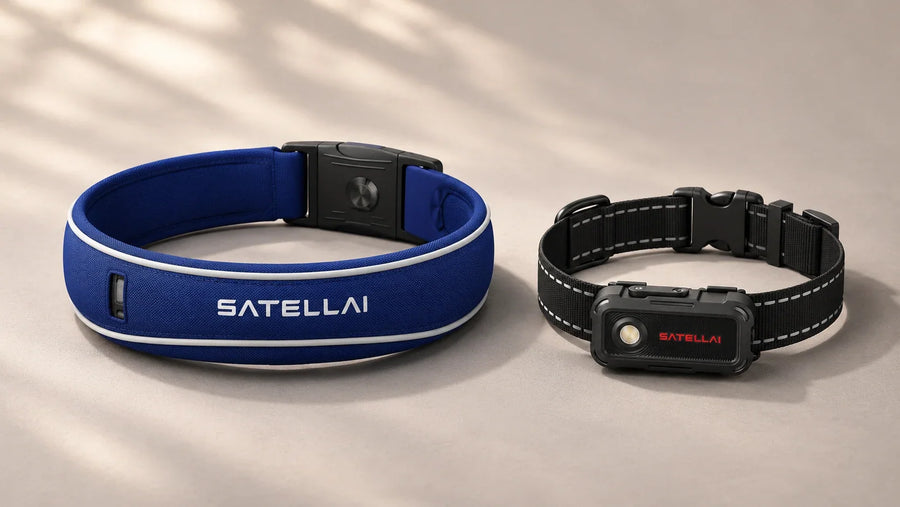
If you use a SATELLAI Collar, check its charge and location connection before outdoor time. GPS tracking can support a search if your dog gets out. It doesn't measure whether the pavement is safe, diagnose heatstroke, or replace a secure fence and supervision.
A simple household rule helps: the person opening the gate checks where the dog is first. For the broader routine, use our daily outdoor safety checklist.
Share a Summer Care Checklist with Other Caregivers
Leave a short note for anyone sharing care:
- Today's walk: the shaded route, and instructions to turn back if needed.
- Supplies: water, bowl, leash, and waste bags by the door.
- Rest: the indoor room where the dog can settle.
- Boundaries: which gates stay closed and who checks them.
- Help: the regular vet and nearest open emergency hospital.
Add anything specific to your dog, such as a prescribed medication schedule or a recent change in movement. During a family celebration, combine this handoff with our holiday safety guide.
Frequently Asked Questions
What temperature is too hot to walk a dog?
There isn't one temperature that guarantees safety for every dog. Humidity, sun, surface temperature, exertion, and individual health all matter. Shorten or cancel the outing when you can't provide comfortable conditions, and get individual guidance for a dog with medical risks.
Can I leave my dog outside if there's shade and water?
Shade and water alone aren't enough to judge whether your dog can stay outside comfortably. Check on your dog, watch how conditions change, and bring them into a cool indoor space when needed.
Does swimming prevent overheating?
Swimming should not be treated as protection against heat illness. It also involves effort and introduces water hazards. Plan breaks, supervise closely, and stop when your dog shows discomfort.
Can a GPS collar warn me that my dog has heatstroke?
Don't rely on a location or activity device to identify heatstroke. Watch your dog, respond to concerning signs, and seek veterinary care even if the app shows an ordinary activity pattern.
Sources and Editorial Notes
This article was prepared with AI assistance for SATELLAI, which sells dog-tracking products. Veterinary and public-health guidance is linked where it is discussed; product descriptions come from SATELLAI. The checklists and examples are practical planning aids created for this article, rather than clinical assessments or customer case reports. The cited organizations have not reviewed or endorsed this article.
This article has not been reviewed by a veterinarian. It provides general information; your vet can advise you on your dog's health and care. Sources were checked on November 2, 2026. The images are AI-generated illustrations of everyday care, not photographs of customers or clinical cases.