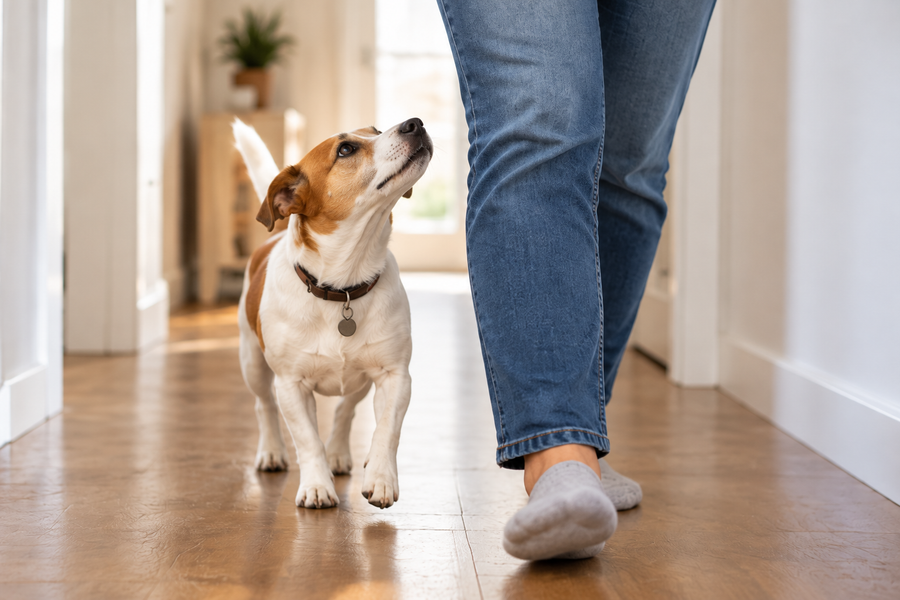
The prospect of losing your small dog is always at the back of your mind. They are more spry than you think possible, more difficult to see, and less safe once they are out of sight. You would have thought about buying a GPS tracker to have some reassurance but are unsure. Is it too cumbersome? Is it safe to start with? This guide will give you a straightforward and honest answer. It will detail the principal safety and usability considerations so you can make an informed safe choice on behalf of your pet.

Answer Every Concern about GPS Trackers
Safety first is always the issue where small dogs are involved. That toy that is perfect for the large dog is not necessarily perfect for the small dog. Let's deal with the largest areas of concern individually.
Weight and Size: The Most Important Factor
The weight of the device is the biggest safety issue to a small dog. A device that is too heavy can potentially damage their neck and cause them problems down the road. A safe bet is that anything on a collar must be below 5% of the total body weight of the dog. Where it is something they will always be wearing, lighter is always safer.
When you go to the market to get a tracker for a small dog, get one that is lighter than 1 ounce (about 28 grams). Good manufacturers make special lightweight ones specifically for this. Always check the information on the product regarding the size and the weight accurately before you do any further deliberation.
Comfort and How It Attaches
After weight, also take into consideration how the tracker clamps onto on the collar or harness of your dog. A bulky protruding clip can poke them on the neck or snag on things. That is risky. Look for trackers that are slim and come with a sturdy clip that will fit nicely on an extra small collar. The device shouldn't sag down far nor excessively move around because this will pester your dog.

Health Worries: Signals and Heat
It is normal to worry about a device that sends out signals being so close to your pet. GPS trackers communicate with cell networks by low-power signals just like a cell phone. Devices will be required to abide by safety regulations. Good companies ensure their items are highly safe.
Another thing to be worried about is heat. A well-made tracker will not get hot after it is assembled. If something is always hot to the touch, it is damaged or shoddily made. You should stop using it right away.
Materials and Water-Resistance
Small dogs can be rough with their things. The tracker should be made of strong, safe materials that can handle some chewing or scratching. Also, look for a good waterproof rating, like IPX7 or higher. This means the device will still work even if it gets wet in the rain or a puddle.
Is GPS Tracker the Right Tool for a Small Dog?
After you know it's safe, the next step is to see if a GPS tracker is a useful tool for your small dog.
Real GPS vs. Bluetooth Trackers
People are often confused about the difference between a real GPS tracker and a cheaper Bluetooth finder. Knowing this difference is very important for your pet's safety.
GPS Trackers:
- Range: They work almost anywhere with no practical range limits. They use cell networks to send their location.
- Tracking: Gives you live, real-time tracking that updates every few seconds.
- Purpose: Made to find a lost pet that is moving and far away.
- Cost: You need to pay a subscription fee for the cell service.

Bluetooth Trackers:
- Range: Works only for a short distance, usually 30-100 feet.
- Tracking: It only works if your phone is nearby, or if someone else with a phone walks within range of your lost pet. It is not live tracking.
- Purpose: Made to find things that don't move, like your keys.
- Cost: No subscription fee.
A small dog can run very far when it is scared. So, a Bluetooth tracker is not a good choice. Only a real GPS tracker works over long distances to give you true peace of mind.
Key Features Every Small Dog Tracker Needs
When you look at different models, make sure they have these important features for small dogs.
- Light and Small Design: This is a must-have. If the tracker is too heavy, the other features don't matter.
- Real-Time "Live" Tracking: Seeing your dog's location update every few seconds is key. A scared dog moves quickly, so an old location is not very helpful.
- Virtual Fences (Geofencing): This feature lets you set up "safe areas" like your yard. You get an alert on your phone if your dog leaves the safe area. This gives you a warning right away.
- Good Battery Life: Small devices have small batteries. Look for a lightweight tracker that can last at least 2-5 days before needing to be charged.
How to Choose the Perfect GPS Tracker for Your Small Dog
Ready to choose? Follow these simple steps to find the best and safest tracker.
1. Weigh Your Dog First: Before you look at trackers, get your dog's exact weight. This number will help you rule out bad ones.
2. Check the Details (Weight First): When you look at a product, find its weight and size first. If it’s too heavy, look for a different one.
3. Read Reviews from Other Small Dog Owners: This is very helpful. Look for reviews from people who have the same breed of dog as you.
4. Understand the Subscription Plan: Remember the monthly fee pays for the tracker's cell connection. This is what lets it work anywhere and makes it a real lifesaver.
Bring Your Small Dog Home
So, are GPS trackers safe and right for small dogs? The answer is a clear yes, if you choose one that is made to be light, comfortable, and safe. If you focus on safety details like weight and understand how real GPS technology works, you are not just buying a gadget. You are buying important peace of mind, knowing you have a good way to bring your tiny best friend home safely.

FAQs about Small Dog GPS Trackers
Can I just use an Apple AirTag on my dog?
An AirTag is good for finding your dog if they are hiding in your house. But it is not a good tool for a lost pet that is running, because it needs to be near an Apple device to work. A GPS tracker is the better choice for safety.
How accurate are dog GPS trackers?
Most good GPS trackers are accurate within 15–25 feet. They might be a little less accurate near tall buildings, but it is good enough to find your pet.
When can my puppy wear a tracker?
It is best to wait until your puppy is used to wearing a collar and is big enough. Most trackers are for dogs that weigh at least 5 lbs (2.5 kg).