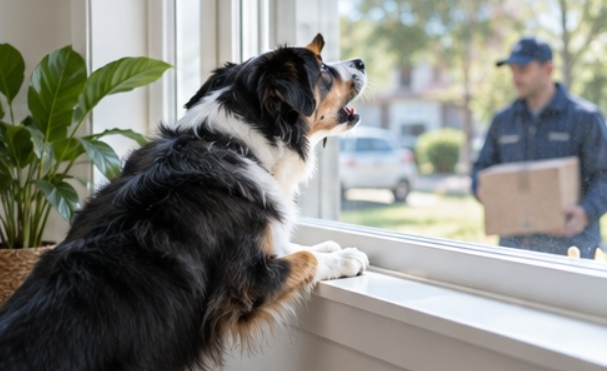
For decades, the wired invisible dog fence was considered the gold standard for suburban pet containment. It promised homeowners an unobstructed view and freedom for their pets without the expense of physical barriers. However, many pet owners eventually discover that these systems have significant, sometimes dangerous, vulnerabilities.
From broken underground wires to sudden power failures, the technology is not foolproof. Understanding why these systems fail is crucial for keeping your dog safe. This article analyzes the distinct limitations of traditional buried wire fences and why they might not be the reliable solution you expect.

The Biggest Problem With Buried Fences Is Right Under Your Feet
The primary component of a traditional invisible dog fence is a copper wire buried a few inches underground. While this setup seems secure, the ground is a dynamic environment. Soil shifts with freezing and thawing cycles, which can stretch and eventually snap the wire over time. This physical vulnerability is the most common reason for system failure.
Why Buried Wires Break and How It Disrupts Your Boundary
Simple yard maintenance poses a constant threat to your containment system. Activities such as aerating the lawn, edging the driveway, or planting a new garden bed often result in accidental cuts to the wire. Even if you are careful, you cannot control nature. Tree roots can grow around the wire and sever it as they expand, and burrowing animals like gophers or moles often chew through the insulation.
When the wire breaks, the consequences are immediate and total. Because the system relies on a continuous electrical loop to transmit the radio signal, a single cut anywhere in the yard kills the entire boundary. Your fence doesn't just develop a hole; it stops working entirely, often without any immediate visual warning to you.
The Hidden Costs of Installation and Landscape Repairs
Fixing a wire break is rarely a simple task. First, you have to locate the break, which is invisible to the naked eye. This often requires purchasing a special radio frequency fault locator or hiring a professional technician to scan your yard. Once the break is found, you must dig up that section of the lawn to splice the wire back together.
Furthermore, the initial installation is invasive and rigid. It often requires trenching across driveways, through flowerbeds, and under sidewalks. If you decide to change your yard's layout later—perhaps to add a pool or a patio—moving the boundary wire involves digging it all up and starting the installation process from scratch. This makes the system expensive to maintain and difficult to adapt.
Can Your Dog Actually Run Through a Wired Invisible Fence?
An invisible dog fence relies on a static correction to deter your pet. However, it is vital to remember that this is a psychological barrier, not a physical one. A motivated dog can, and often will, cross the line if the temptation is strong enough.
Understanding the "Break-Through" Risk with High-Prey Drives
If a squirrel runs across the street, a stranger approaches the house, or another dog walks by, a dog with a high prey drive or strong protective instinct may ignore the warning beep. The adrenaline of the chase can mask the sensation of the static shock. Once the dog builds up enough speed, they can bolt through the correction zone in a fraction of a second.
This teaches the dog a dangerous lesson: if they run fast enough, the discomfort is only momentary. Once they are past the wire, the stimulation stops, and they are free to roam. This renders the fence ineffective for highly energetic or stubborn breeds that prioritize the chase over the fear of a brief correction.
How Inconsistent Signals Create Unreliable Correction Zones
The danger increases significantly once the dog is outside the boundary. If the dog wants to come home, they must cross the wire again. However, this time they are not chasing a squirrel; they are simply trying to return to safety. As they approach the yard, they are met with a static correction.
Most dogs are unwilling to shock themselves voluntarily to get back inside. Consequently, they become trapped outside the designated area, waiting for you to rescue them. Additionally, the signal width can fluctuate based on interference. Metal objects like cars or underground pipes can create "dead zones" or fluctuating boundaries, confusing the dog about where the safe zone actually ends.
What Happens When Your Invisible Fence System Goes Down

Wired systems are heavily dependent on hardware integrity and a constant power source. This reliance creates a single point of failure that can leave your property unprotected without warning.
The Critical Flaw of Power Outages and Transmitter Failure
The transmitter box, usually located in a garage or basement, requires a constant flow of electricity to power the underground loop. If your home loses power during a storm, your fence is instantly deactivated. Unless you have an expensive battery backup system installed, your dog is free to roam the moment the lights go out.
Furthermore, the transmitter boxes themselves are vulnerable to electrical surges. Since the perimeter wire acts like a giant antenna buried in the yard, a nearby lightning strike can send a massive surge directly into the transmitter. This can fry the internal electronics, leaving the system non-functional. You might not realize the fence is down until you let your dog out and they simply walk away.
When Collar Malfunctions Leave Your Pet Unprotected
The receiver collar is the other half of the safety equation, and it is prone to its own set of failures. These devices run on batteries that must be replaced or recharged regularly. If the battery dies, the dog GPS collar stops beeping or correcting, and the dog is free to leave.
Even with a fresh battery, the GPS collar must fit perfectly to work. The contact points need to touch the skin to deliver the correction. If the collar is too loose or if the dog has thick fur that hasn't been trimmed, the correction will not be delivered. Mechanical failures inside the collar, often caused by rough play, water damage, or chewing, can also silence the system silently.
Containment Is Not the Same as Knowing Where Your Pet Is
One of the most significant misunderstandings about wired fences is the difference between containment and tracking. A wired fence is a binary tool: it attempts to keep the dog in, but it provides no information if the dog gets out.
The Critical Safety Gap Left by a Lack of Real-Time GPS Tracking
The defining limitation of a wired invisible dog fence is that it only works when the dog is inside the boundary. Once a dog escapes—whether through a wire break, a power outage, or a "break-through"—the system offers no help. It cannot tell you where the dog went, how fast they are moving, or in which direction they are headed.
You are left searching the neighborhood manually, relying on visual sightings or microchip scans if someone finds your pet. This lack of visibility is a major safety gap. In a modern world where we track our phones, keys, and cars, relying on a system that loses all contact with the pet the moment they leave the yard is a significant risk.
Missing Out on Crucial Insights into Your Dog's Daily Activity
Traditional wired fences are passive devices; they simply shock or don't shock. They do not provide data on your dog's daily life. You cannot see how many times they tested the boundary, which might indicate they are training themselves to escape.
You also miss out on health data. Modern pet care is shifting towards holistic health monitoring, tracking exercise levels, rest periods, and behavioral changes. Without this data, you might miss signs of anxiety, boredom, or illness. Knowing your dog's behavior patterns is often key to preventing escapes before they happen, and wired fences offer no insight into these metrics.
Is It Time to Explore Smarter Pet Safety Solutions?
Technology has evolved significantly since the invention of the buried wire fence. Today, pet owners have access to sophisticated tools that address the hardware and data limitations of older systems.
Moving Beyond Static Boundaries with Next-Generation Technology
New GPS-based wireless fences eliminate the need for digging and burying wires. These systems use satellite technology to create virtual boundaries. Because there is no physical wire to break, the boundary remains stable regardless of landscaping changes, soil conditions, or rodents.
These systems are also portable. Unlike a wired fence, which is permanent to one property, GPS systems allow you to create safe zones anywhere. You can set up a boundary at a park, a vacation home, or a friend's house in seconds, providing consistent safety wherever you go.
Key Features to Look for in a Modern Dog Containment System
When upgrading your pet's safety, look for systems that offer comprehensive protection rather than just a static shock. Modern solutions should address the failures of wired fences directly with the following features:
- Real-Time Tracking: Ensure the system allows you to track your dog's location on a smartphone map immediately if they do manage to escape.
- Connectivity: Look for GPS collars that use cellular networks to send alerts to your phone regarding battery life, boundary breaches, or system health.
-
Activity Monitoring: Choose a device that tracks steps and sleep, helping you manage your dog's overall well-being and detect behavioral changes early.

Protect Your Dog Today
Although an invisible dog fence with wire was revolutionary at one point in time, it’s difficult to argue with the physical shortcomings of these systems. Wire damage, power failures, and lack of tracking ability mean that your pet could easily find themselves in harm’s way with these systems. It’s with an awareness of how these systems can and will go wrong and finding more informed ways to protect your pet, like using a GPS dog collar, that you can keep your dog safe and secure regardless of what happens to your ground surface.
FAQs about Wired Invisible Fence Setup & Troubleshooting
How deep should the wire for an invisible fence be buried?
Normally, it is advisable to lay the wire at least 1 to 3 inches below the surface. This will shield it against damage caused by lawn mowers, among other surface damage, while still allowing the collar to receive adequate signal strength to trigger the collar’s response appropriately. Yet it would still fall prey to aeration, gardening tools, and frozen ground at this depth.
How can I find a break in my invisible fence wire?
Usually, finding a break would mean using an RF choke and an AM radio. Take the wire off at the transmitter and connect it to an RF choke, and then test it with an AM radio while walking around the perimeter with the stations set to static. The radio will emit a strong signal to cease at the spot where there’s a break in the wire, or professional wire break locators are available for hire.
Does rain or snow affect the performance of a wired fence?
Thick snow can occasionally lift the dog high enough so that the collar is beyond the range of the buried wire signal reception. Rain can't normally interfere with the signal; however, if the insulation on the wire is old or damaged, rainwater could create a short circuit that would cause intermittent or complete system failures.