Choosing between small, medium, and large dogs affects much more than how much room the dog takes up. Adult size changes food costs, physical handling, transportation, housing options, equipment, veterinary expenses, interaction with children, and the type of support a dog may need in old age.
However, size does not reliably predict energy, trainability, barking, friendliness, or how easily a dog settles indoors. A calm large dog may fit an apartment better than an intensely active small terrier, while a compact dog may require more grooming or vocal-behavior management than expected.
This guide compares the practical differences between dog sizes so you can choose based on everyday life rather than appearance alone.
Quick Answer: What Size Dog Should I Get?
Choose a small dog if portability, limited floor space, lower food volume, and easier physical lifting are important—and you can manage possible fragility, dental care, housetraining, grooming, or barking.
Choose a medium dog if you want a balance between portability and physical durability. Medium dogs can fit many households, but their energy and working instincts range from calm sighthounds to highly active herding and sporting breeds.
Choose a large dog if you can safely control, transport, exercise, and financially support a powerful adult dog. Large dogs may be calm indoors, but food, medication, boarding, equipment, and emergency handling usually require more planning.
Choose a giant dog only if your housing, vehicle, budget, physical ability, and long-term care plan genuinely support a dog that may weigh more than an adult person.
The best dog size is the largest or smallest dog you can manage comfortably on an ordinary difficult day—not only on an ideal day. Consider illness, bad weather, travel, stairs, injuries, schedule changes, and the dog’s senior years.
How Are Small, Medium, and Large Dogs Defined?
There is no single universal weight standard used by every breeder, shelter, veterinarian, airline, and pet company. Labels may vary, especially near the category boundaries.
For a practical comparison, this guide uses the following approximate adult-weight ranges:
| Size Category | Approximate Adult Weight | Examples |
|---|---|---|
| Toy or very small | Under 12 lb | Chihuahua, Maltese, Toy Poodle |
| Small | 12–25 lb | Havanese, Miniature Schnauzer, Boston Terrier |
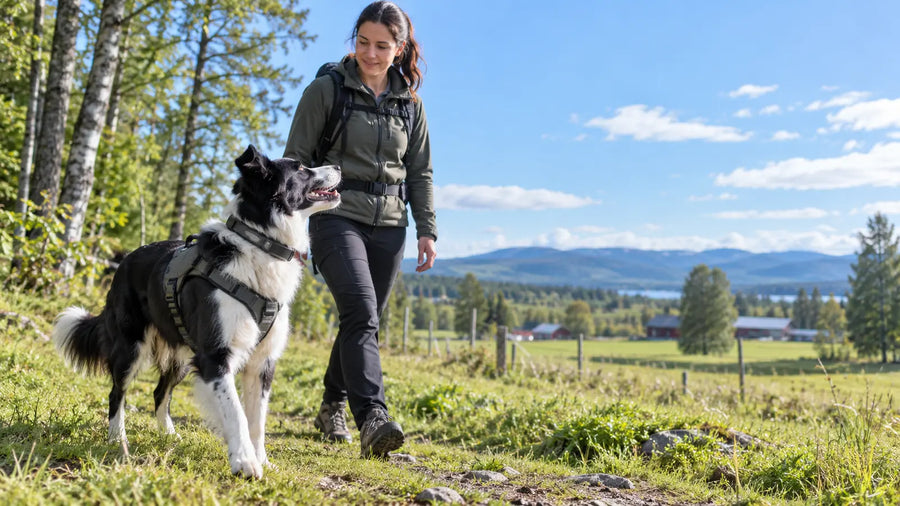
| Medium | 25–60 lb | Beagle, English Cocker Spaniel, Border Collie, Whippet |
| Large | 60–100 lb | Labrador Retriever, Golden Retriever, German Shepherd Dog |
| Giant | Over 100 lb | Great Dane, Newfoundland, Mastiff |
These ranges are a working framework, not an official rule. Some breeds span categories, and mixed-breed adult size may be difficult to predict from appearance alone.
Weight is also different from body condition. A 65-pound dog is not necessarily “large” because it is overweight. Ask a veterinarian to assess healthy body condition separately from the dog’s natural frame.
Small vs. Medium vs. Large Dogs at a Glance
| Factor | Small Dogs | Medium Dogs | Large Dogs | Giant Dogs |
|---|---|---|---|---|
| Floor space | Usually easiest | Moderate | More room needed | Substantial room and clear pathways |
| Food volume | Lower | Moderate | Higher | Highest |
| Physical control | Easier to lift, but may be quick | Manageable for many adults | Strength matters significantly | Requires strong, capable caregivers |
| Transportation | Usually easiest | Fits most vehicles | Vehicle space needed | Large vehicle and access plan often needed |
| Housing restrictions | Fewer size barriers | Varies | More common restrictions | Most difficult rental fit |
| Equipment cost | Usually lower | Moderate | Higher | Specialized and expensive |
| Grooming | Depends on coat, not size | Depends on coat | Depends on coat and surface area | More time and product per session |
| Exercise | Highly variable | Highly variable | Highly variable | Often moderate, but not always |
| Injury considerations | Fragility and falls | Athletic injuries vary | Joint and handling concerns | Joint stress and difficult emergency movement |
| Average lifespan pattern | Often longer | Intermediate | Often shorter | Frequently shortest |
The table shows general logistical patterns. Breed, age, coat, health, temperament, and activity level still determine daily care.

Small Dogs: Benefits and Tradeoffs
Small dogs usually weigh under about 25 pounds as adults. The category includes companion breeds, terriers, small hounds, miniature herders, and scaled-down versions of larger working dogs. Their personalities and care requirements are extremely diverse.
Advantages of Small Dogs
Easier Transportation
Many small dogs fit into carriers, take up less room in a vehicle, and are easier to lift during travel or emergencies. This can help people who move frequently or live in buildings where stairs and elevators are part of daily life.
Portability does not automatically mean travel suitability. A dog that is fearful, vocal, motion-sick, or uncomfortable around strangers may still find travel difficult.
More Housing Options
Landlords and buildings often impose weight limits, making smaller dogs eligible for more rentals. Small dogs also need less physical floor space for beds, crates, and movement through narrow rooms.
If housing is the main deciding factor, read our guide to the best dog breeds for apartment living. Apartment suitability depends on barking, energy, housetraining, and ability to settle—not size alone.
Lower Food Volume
A small dog generally eats less than a large dog, reducing routine food expenses. Preventive medication, some veterinary drugs, crates, beds, and other products may also cost less because smaller quantities or sizes are used.
Professional grooming can offset those savings. A small Poodle, Bichon Frise, or Havanese may need frequent paid grooming throughout life.
Easier Lifting and Physical Assistance
Most adults can carry a small dog during an injury, evacuation, or senior mobility problem. This can become a major advantage when the dog can no longer climb stairs or get into a vehicle independently.
Challenges of Small Dogs
Physical Fragility
Toy and very small dogs can be injured by falls, rough handling, reclining furniture, closing doors, or interactions with much larger dogs. Homes with young children need careful supervision and clear handling rules.
Housetraining Logistics
Small dogs have smaller bladders and lower clearance in snow, rain, or tall grass. Some individuals require more frequent bathroom opportunities and consistent scheduling. Indoor pads may be useful in specific situations but can complicate expectations if used inconsistently.
Barking and Alert Behavior
Many small dogs were bred to notice movement, sound alarms, hunt, or persist in tight spaces. Small size does not equal a quiet personality. Hallway sounds, visitors, windows, and other dogs may trigger repeated barking.
Dental and Grooming Needs
Small breeds may be prone to dental crowding and require committed preventive dental care. Long, silky, curly, or continuously growing coats can also demand frequent brushing, bathing, clipping, eye-area care, and professional grooming.
Cold, Heat, and Surface Sensitivity
Very small bodies may lose heat quickly, while short-muzzled small breeds may be vulnerable in hot weather. The exact risk depends on coat, anatomy, health, conditioning, and climate.
Examples of Small Dog Profiles
- Companion-oriented: Havanese, Maltese, Bichon Frise
- Highly trainable: Miniature Poodle, Papillon
- Bold and active: Jack Russell Terrier, Miniature Pinscher
- Scent-driven: Dachshund
- Potentially vocal: Chihuahua, Miniature Schnauzer, Pomeranian
These examples show why size cannot replace breed and individual research.
Small Dogs May Suit You If
- You have limited floor space or a rental weight limit
- You need a dog most adults in the home can lift
- You travel often and can manage carrier training
- You accept that barking, grooming, and housetraining may still require substantial work
- Children and larger pets can interact safely with a smaller, more fragile body
Medium Dogs: Benefits and Tradeoffs
Medium dogs usually fall around 25 to 60 pounds, although definitions vary. This group includes spaniels, hounds, terriers, sighthounds, herders, and mixed-breed dogs with very different working histories.
Advantages of Medium Dogs
Balance of Size and Durability
Many medium dogs are substantial enough for active play and outdoor adventures without requiring the equipment, vehicle space, and physical control associated with a large dog.
Most healthy adults can help a medium dog into a car or move it during an emergency, although carrying 40 to 60 pounds down stairs is still difficult.
Flexible Housing Fit
Medium dogs can work in houses, townhomes, and many apartments when their energy, noise, and bathroom needs are met. They may exceed some rental weight limits, so building rules should be confirmed before adoption.
Wide Range of Activity Profiles
The medium category includes calm Whippets, determined Beagles, energetic Brittanys, intense Border Collies, and sociable Cocker Spaniels. This gives owners many possible matches—but also makes “medium energy” a dangerous assumption.
Practical Equipment and Transportation
Medium crates, beds, harnesses, and travel setups fit most homes and vehicles. Veterinary handling and boarding are usually straightforward compared with giant dogs.
Challenges of Medium Dogs
Energy Can Be Underestimated
Many medium breeds were developed to herd, hunt, flush birds, retrieve, or work for long periods. Their body size may look manageable while their mental and physical needs remain intense.
An under-stimulated medium dog can pull, chase, bark, dig, chew, or become difficult to settle. Breed purpose and breeding line often predict lifestyle fit better than weight.
Strong Enough to Require Training
A 40- or 50-pound dog can pull someone off balance, jump on children, or escape through a weak door. Loose-leash walking, recall, calm greetings, and doorway behavior should be taught early.
Category Boundaries Are Inconsistent
A 55-pound dog may be labeled medium by one rescue and large by another. Rental rules, airline policies, and product sizing use their own definitions, so always check the dog’s actual measurements and projected adult weight.
Examples of Medium Dog Profiles
- Calmer indoors: Whippet, some adult mixed breeds
- Social scent hound: Beagle
- Sporting companion: English Cocker Spaniel, Brittany
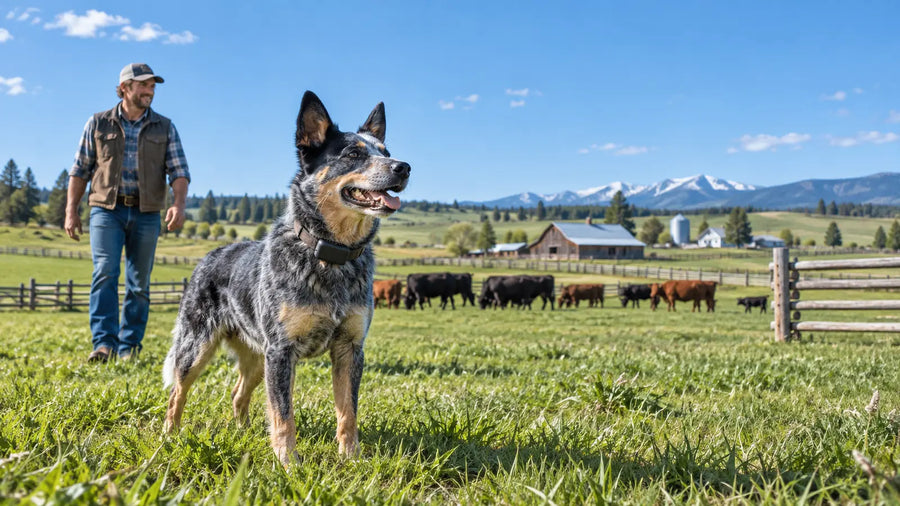
- Highly driven herder: Border Collie, Australian Cattle Dog
- Compact but powerful: Staffordshire Bull Terrier and similar muscular dogs
Medium Dogs May Suit You If
- You want a physically capable walking or hiking companion
- Your vehicle and housing can accommodate a 25- to 60-pound adult
- You can manage a dog that may be too heavy to carry easily
- You are researching energy and breed purpose separately from size
- You want more physical durability than a toy breed without large-dog logistics

Large Dogs: Benefits and Tradeoffs
Large dogs commonly weigh about 60 to 100 pounds. This category includes retrievers, shepherds, working dogs, hounds, setters, and large mixed breeds. Some are athletic and intense; others are calm after moderate exercise.
Advantages of Large Dogs
Physically Capable Companions
Many large breeds can accompany appropriately conditioned adults on long walks, hikes, outdoor activities, and training. Their size may also feel more comfortable for people who prefer a sturdy dog rather than a physically delicate companion.
Some Settle Calmly Indoors
Large size does not mean constant motion. Mature Greyhounds, some giant breeds, and carefully matched adult dogs may be calm indoors once their needs are met.
Easier Visibility Outdoors
Large dogs are easier to see around furniture, in yards, and during outdoor activity. They may be less vulnerable to accidental steps or interactions with other dogs, although no size eliminates injury risk.
Challenges of Large Dogs
Strength and Physical Control
A friendly 75-pound dog can pull an adult down, knock over a child, block a doorway, or become difficult to move when injured. Training is essential before habits become physically powerful.
Every regular caregiver should be able to hold the leash, guide the dog through a doorway, and manage unexpected encounters. If only one person can control the dog, the household plan is fragile.
Higher Routine and Medical Costs
Large dogs eat more. Weight-based preventives, medications, anesthesia, boarding, grooming, crates, beds, and transportation may all cost more. Emergency surgery or long-term medication can create a substantial financial burden.
Review the real cost of dog ownership before choosing by appearance. The purchase or adoption fee is only a small part of lifetime cost.
Housing and Travel Restrictions
Large dogs face more rental weight limits, breed restrictions, and transportation barriers. A crate may occupy a significant part of a room, and a compact car may not safely accommodate the dog plus passengers and luggage.
Senior Mobility
A large senior dog may need ramps, non-slip flooring, supportive harnesses, and assistance standing or entering a vehicle. Carrying the dog may be impossible without help.
Plan before mobility declines: assess stairs, narrow hallways, vehicle height, and access to veterinary care.
Examples of Large Dog Profiles
- Social and active: Labrador Retriever, Golden Retriever
- Highly trainable but substantial: Standard Poodle
- Protective or vigilant: German Shepherd Dog, some guardian breeds
- Athletic sporting dog: Irish Setter, German Shorthaired Pointer
- Calmer adult sighthound: Greyhound
Large Dogs May Suit You If
- Every caregiver can safely handle a strong adult dog
- Housing and vehicle space are secure for the dog’s lifetime
- Your budget covers larger food, medication, equipment, and boarding costs
- You have a plan for injury, evacuation, and senior mobility
- The breed’s energy and temperament fit your routine independently of size
What About Giant Dogs?
Giant dogs are often grouped with large breeds, but dogs over roughly 100 pounds create a different level of daily logistics.
Great Danes, Newfoundlands, Mastiffs, Saint Bernards, Irish Wolfhounds, and similar dogs may require:
- Extra-large crates, beds, harnesses, and gates
- A vehicle with sufficient height and floor area
- Large quantities of food and weight-based medication
- Professional boarding that accepts giant breeds
- Non-slip flooring and protected joints during growth
- Multiple adults or specialized equipment during a mobility emergency
- Greater tolerance for drool, shedding, and household wear
Giant dogs may be gentle, but gentleness does not reduce the physical consequences of jumping, pulling, leaning, or accidental collisions. Their average lifespan also tends to be shorter than that of smaller dogs.
A giant breed is a good choice only when the household wants the realities of giant-dog care, not merely the visual impact.
Does Dog Size Determine Exercise Needs?
No. Size and exercise are separate variables.
A small terrier may need more structured activity than a large companion breed. A medium Border Collie may require more mental and physical work than a mature Greyhound. A young Labrador may be far more demanding than an older mixed-breed dog of the same weight.
Evaluate:
- Breed purpose and breeding line
- Current age and health
- Ability to settle after activity
- Need for running versus steady walking
- Interest in scenting, retrieving, herding, chasing, or problem-solving
- Recovery time and tolerance for climate
A yard does not automatically meet exercise needs, regardless of dog size. Most dogs need interaction, walking, sniffing, training, play, or breed-appropriate activities with their caregivers.
How Size Changes Eight Parts of Daily Life
1. Home Layout
Square footage matters less than usable movement space. Consider narrow stairs, slippery flooring, furniture gaps, elevator access, balcony safety, and whether a crate or bed blocks normal pathways.
Small dogs need protection from falls and accidental steps. Large and giant dogs need room to turn, stretch, and lie down without creating obstacles.
2. Food and Supplies
Large dogs consume more food, but coat type can make a small dog more expensive to groom. Compare complete annual costs rather than assuming size determines the entire budget.
Measure the actual dog before buying harnesses, coats, crates, and vehicle restraints. “Medium” from one manufacturer may not match another.
3. Training Consequences
Every dog deserves training, but larger bodies make some behaviors more urgent. Jumping, leash pulling, doorway rushing, and stealing food become harder to ignore as weight increases.
Small dogs can rehearse the same behaviors without immediate consequences, allowing fear, barking, or handling problems to become established. Train for emotional comfort and practical skills at every size.
4. Children and Other Pets
Large dogs may accidentally knock down children; very small dogs may be injured by them. A medium dog may seem like a compromise, but temperament and play style remain essential.
For households with children, review our guide to the best family dog breeds. Adults must supervise interactions regardless of breed or size.
With other pets, consider prey drive, resource guarding, play intensity, and physical mismatch. A friendly large dog can still injure a toy dog during enthusiastic play.
5. Transportation
Small dogs may travel in carriers, but airline and public-transport rules vary. Medium dogs often fit standard vehicles, while large dogs may require cargo space, a barrier, ramp, or large crash-tested restraint.
Test whether every caregiver can load and unload the dog safely. Do not assume an injured or elderly dog can jump into the vehicle.
6. Grooming
Coat type matters more than weight, but body surface area changes how long grooming takes. Bathing and drying a Newfoundland is a different project from bathing a Chihuahua.
Ask how often the coat needs brushing, clipping, stripping, bathing, ear care, and professional grooming. Include the dog’s cooperation with handling in the plan.
7. Veterinary and Emergency Care
Weight-based medication, anesthesia, and some preventives cost more for larger dogs. Emergency transportation is also more difficult when a large dog cannot walk.
Small dogs have their own risks, including fragility, dental crowding, and difficulty maintaining body temperature. Size changes the risk profile; it does not determine whether care will be simple.
8. Aging and Lifespan
Small dogs often live longer on average, while large and giant dogs tend to show age-related changes earlier and have shorter average lifespans. This pattern does not predict an individual dog’s exact lifespan.
Large senior dogs may need mobility support earlier, while a small dog may require care over a longer number of years. Choose a dog size whose senior-care needs you can physically and financially support.

Puppy Size Is Not Adult Size
Puppies are easy to lift and fit into small spaces, which can hide future logistics. Before adopting or buying, estimate adult size using:
- Known breed standards or parental size
- The mother’s and father’s healthy adult weight
- Growth records and veterinary guidance
- Rescue information about likely breed mix
- Paw and body proportions only as very rough clues
Mixed-breed estimates can be wrong, especially when parentage is unknown. If an adult weight limit is non-negotiable, an adult dog is more predictable than a puppy.
Also consider adult height and body shape. A tall, lean 70-pound Greyhound occupies space differently from a compact 70-pound Bulldog-type dog.
Common Myths About Dog Size
“Small Dogs Are Low-Maintenance”
Small dogs eat less and are easier to carry, but they may need frequent grooming, dental care, housetraining support, barking management, and protection from injury.
“Large Dogs Need a Huge Yard”
Some large dogs can live comfortably in smaller homes when their activity and bathroom needs are met. A yard is convenient but does not replace interaction and purposeful exercise.
“Medium Dogs Are Always the Easiest Compromise”
Medium size may simplify transport and equipment, but the category includes highly demanding working dogs. Energy, drive, sensitivity, and training needs may be more important than weight.
“Bigger Dogs Are Calmer”
Some are, some are not. Age, breed purpose, health, and individual temperament determine whether a dog settles easily.
“Small Dogs Are Better for Older Adults”
Portability can help, but a small dog that moves quickly underfoot, pulls toward triggers, or barks intensely may increase fall risk. A calm adult temperament may matter more than minimum weight.
A Practical Dog-Size Decision Checklist
Answer these questions before building a breed shortlist:
- What is the maximum adult weight every caregiver can control on leash?
- Could you lift or move the dog during an injury or evacuation?
- Does your housing have weight or breed restrictions?
- Is there room for the correct crate, bed, feeding area, and clear pathways?
- Can your vehicle transport the adult dog safely?
- What monthly food, preventive, grooming, boarding, and insurance costs are sustainable?
- Are there young children, older adults, cats, or small pets in the home?
- How much exercise and mental activity can you provide on weekdays?
- Can you manage stairs or senior mobility if the dog cannot walk independently?
- Are you choosing based on a real adult dog or an uncertain puppy estimate?
For a complete selection process beyond size, use our guide on how to choose the right dog breed for your lifestyle.
Choose Size and Temperament Together
Dog size affects logistics, but it should never be used as a shortcut for personality. After setting realistic weight and handling limits, evaluate energy, trainability, barking, grooming, health, time alone, prey drive, and the individual dog’s behavior.
Use the SATELLAI Dog Breed Quiz to compare breeds based on your home, activity level, preferred size, and experience. Treat the results as a research shortlist, then verify adult measurements, health information, temperament, and daily needs with responsible breeders, adoption teams, and veterinary professionals.
The right size is the one your household can house, transport, control, afford, and care for through every life stage.

Frequently Asked Questions
Are small dogs easier to care for than large dogs?
Small dogs are usually easier to lift, transport, and feed, but they are not automatically easier overall. Grooming, barking, housetraining, dental care, energy, and fragility may require significant work. Compare the whole care profile, not only body weight.
What weight is considered a medium-sized dog?
Definitions vary. A practical range is approximately 25 to 60 pounds at a healthy adult weight, but shelters, landlords, airlines, and product companies may use different boundaries. Confirm the actual dog’s weight, height, and body measurements.
Do large dogs need more exercise than small dogs?
Not necessarily. Exercise depends on breed purpose, age, health, breeding line, and individual temperament. A small terrier or medium herding dog may need more activity than a mature large sighthound or companion breed.
Which dog size is best for an apartment?
Small dogs are easier physically, but noise, energy, bathroom access, and ability to settle are more important than weight alone. Some calm medium or large dogs can adapt well when their needs are met and the building permits them.
Which dog size is best for families with children?
No size is universally best. Large dogs may accidentally knock children over, while very small dogs may be injured by rough handling. Choose an individual with suitable temperament and history, then actively supervise every interaction.
Do small dogs live longer than large dogs?
On average, small dogs tend to live longer than large and giant dogs, but breed, genetics, health, body condition, veterinary care, and individual variation all affect lifespan. Size cannot predict an individual dog’s exact age at death.
Should I choose a puppy if I need a specific adult size?
An adult dog is more predictable. Breed and parental size can help estimate a puppy’s growth, but mixed-breed estimates may be wrong. When a landlord or caregiver has a strict weight limit, choose a fully grown dog whose measurements are known.