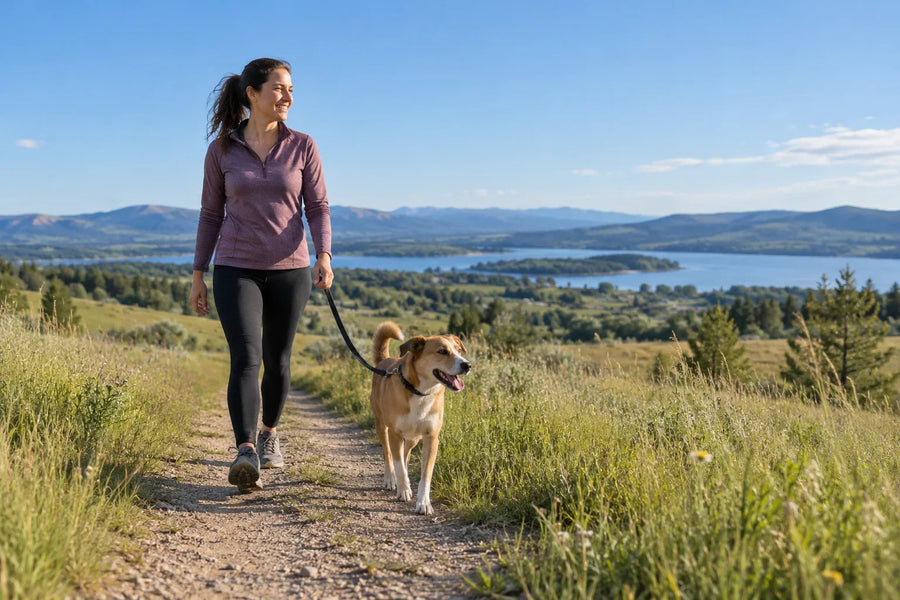
A working dog's health plan needs to fit the job: the physical demands, the environment, the schedule, and the time available to recover. Check your dog before and after work, keep track of meals and training rewards, and make sure the next handler knows what has already happened.
Good performance doesn't tell the whole story. A dog may stay eager to search or follow a cue while a paw hurts or a harness rubs. Consistent care helps you notice those changes before you ask for another demanding session.
Start With the Job
For this guide, a working dog is a dog that regularly performs tasks such as herding, searching, detection, protection, assistance, or therapy visits. A family pet from a working breed needs a plan based on their actual day.
The American Animal Hospital Association (AAHA) recommends healthcare that accounts for the dog's role and keeps handlers and the veterinary team working together. AAHA working dog guidelines
Give your vet a short description of the job. Include the terrain, pace, weather, gear, travel, and busiest days. “Mostly indoor assistance work, with two longer walking days each week” gives more useful context than a breed name alone.
Use these prompts to start the conversation:
| Role | Demands to describe | Details to plan for |
|---|---|---|
| Search or detection | Terrain, search time, travel, scent work | Paw checks, breaks, environmental hazards |
| Herding or farm work | Repeated movement, uneven ground, livestock contact | Busy periods, surface conditions, equipment |
| Patrol or protection | Fast movement, physical tasks, heat, gear | Conditioning, joint and dental health |
| Assistance or therapy | Walking, standing, public settings, handling | Gear fit, rest areas, travel and contact exposures |
Use the table to describe the job. Your dog's workload still needs an individual plan.
Build Conditioning Around the Work
Learning a task and being physically ready for it are different parts of preparation. A dog may know the job without being ready for a longer day, rougher ground, or a new climate.
Work with your vet on a conditioning plan, with sports medicine or rehabilitation support when needed. Set the warm-up, progression, breaks, and rules for returning after illness or injury before a busy season begins.
AAHA identifies joint health, body condition, fitness, and dental health as important for protection dogs. Its working dog recommendations also include warming up before work. AAHA protection dog guidance · AAHA healthcare recommendations
When the demands change, record what changed. Adding time, pace, unfamiliar terrain, and new equipment all at once makes it harder to understand your dog's response. Follow the progression and review points in the plan.
A Quick Check Before Work
Watch your dog move naturally on secure ground. Look at the paws and nails, check where equipment touches the body, and notice whether ordinary movement seems comfortable.
Keep the check simple enough to do every time:
- Movement: Any new limp, stiffness, or hesitation?
- Paws: Cuts, debris, broken nails, or sore spots?
- Gear: Secure fit, without rubbing or restricting movement?
- General health: Usual appetite, energy, and behavior?
- Conditions: Any change in weather, terrain, travel, or access?
Also confirm that water, a resting area, and a way to reach veterinary care are available.
New pain, lameness, weakness, or an unexplained drop in stamina is a reason to stop demanding work and call your vet. Following a cue doesn't rule out a health problem.
Keep a Useful Work Log

A useful log helps the next person decide what to do. Record the task, work periods, breaks, conditions, food rewards, and what you noticed afterward. Include measured times where your team's procedures call for them.
Here's an illustrative entry, not a real field record or a recommended workload:
Field search on uneven grass. Weather got warmer during the session. Water and breaks followed the plan. Movement looked normal afterward, but redness appeared where the harness touched the chest. Harness removed; fit and rubbing flagged for review before the next session.
Compare similar sessions. A quiet assistance day and a demanding search day may produce similar activity totals while involving different demands. The log explains what the numbers can't.
If handlers share responsibility, make the handoff clear: work already completed, rewards fed, concerns, restrictions, the next planned activity, and who will follow up.
Plan for Heat Before You Start
Fitness doesn't remove heat risk. Exercise produces heat, and the weather can make cooling harder. The AKC Canine Health Foundation emphasizes heat-aware care even for conditioned working and sporting dogs. AKC Canine Health Foundation heat guidance
Locate drinking water, a cool rest area, transportation, and veterinary help before the session. Recheck conditions during work, particularly after travel to a hotter or more humid place.
Excessive panting or drooling, trouble breathing, weakness, confusion, or collapse can signal dangerous overheating. Stop work, move out of the heat, begin cooling with cool water and airflow, and seek urgent veterinary care if you suspect heatstroke. Don't wait for the dog to refuse the task or for an app alert. Cornell heat-safety guidance
Feed for the Work Your Dog Actually Does
A working dog doesn't automatically need a high-calorie diet. The amount and type of work can change from day to day or season to season.
Keep a list of everything your dog eats: meals, training rewards, chews, supplements, and food used to give medication. Review that list alongside weight, body condition, and muscle condition. The World Small Animal Veterinary Association (WSAVA) provides separate tools for assessing fat stores and muscle. WSAVA nutrition resources
Make the reward allowance visible to every handler. A shared container or written allocation prevents several people from each adding what seems like a small amount.
Discuss meal timing as part of the work plan, especially for strenuous activity or a dog with a relevant medical history. Unexplained weight loss, appetite changes, or lower stamina needs a vet visit, not an automatic increase in food.
Give Recovery a Place in the Schedule

Make the transition out of work predictable. Offer water and a quiet, comfortable place to rest. Check movement and equipment contact points after the session, then look again once your dog has rested.
Does your dog settle comfortably? Eat as usual? Get up and walk normally later? Compare with what's typical for that dog.
After illness or injury, follow the treating vet's activity restrictions and return-to-work plan. Enthusiasm doesn't establish readiness to return.
For ideas you can adapt to off-duty time, see our guide to exercise, enrichment, and rest for active dogs.
Include Teeth, Scent Work, and Travel in Veterinary Visits
Teeth matter even when a dog still eats. AAHA notes that dental disease and tooth fractures can affect protection dog performance. Make dental checks part of the care discussion. AAHA protection dog guidance
For a detection dog, tell the prescribing vet about the scent-work role. Some medical conditions and treatments can affect the sense of smell. Discuss work adjustments with the vet and follow the prescribed treatment; don't change medication on your own. AAHA detection dog guidance
Review vaccines, parasite prevention, travel exposures, and routine screening around the working environment. Keep records accessible during travel. AAHA healthcare recommendations
Our guide to common health issues by dog breed can help you prepare screening questions.
Where Tracking Fits
SATELLAI provides live GPS tracking and records of activity and rest. Those features can add location and routine information to a handler's work log. SATELLAI activity features · SATELLAI GPS features
Use the log to explain the conditions behind a change in the data. Tracking isn't medical clearance for duty. Confirm that a device fits the task, equipment, and organization's procedures.
If you're choosing equipment, see the GPS collar guide for working dogs.
Frequently Asked Questions
Does every working dog need a high-calorie diet?
No. Base feeding on actual work, life stage, health, and body and muscle condition. Count training rewards and chews, and review the plan as the workload changes.
When should I review my working dog's health plan?
At scheduled vet visits and whenever the job, workload, environment, or health changes. Plan a review before a busy season or a return after illness or injury.
What if my dog keeps working but seems sore afterward?
Stop demanding work and call your vet. Motivation doesn't rule out pain. Describe when the soreness appears and share a video if you can get one safely.
What does another handler need to know?
The work completed, breaks, food rewards, concerns, restrictions, and next planned activity. Make it clear who is responsible for follow-up.
Start with a plan everyone can use. Consistent checks, short logs, and clear handoffs make it easier to spot a change and make a sensible decision about the next session.
Sources and Editorial Notes
This AI-assisted draft draws on the veterinary guidance linked above. It hasn't been reviewed by a veterinarian. The role table, checklist, and sample log are editorial planning tools, not a validated fitness test or a real field case. Your veterinary team and organization's procedures should guide conditioning and return-to-duty decisions.
This guide was prepared for SATELLAI, which sells dog GPS collars and trackers. Product descriptions use SATELLAI's documentation; medical statements use the cited veterinary sources.