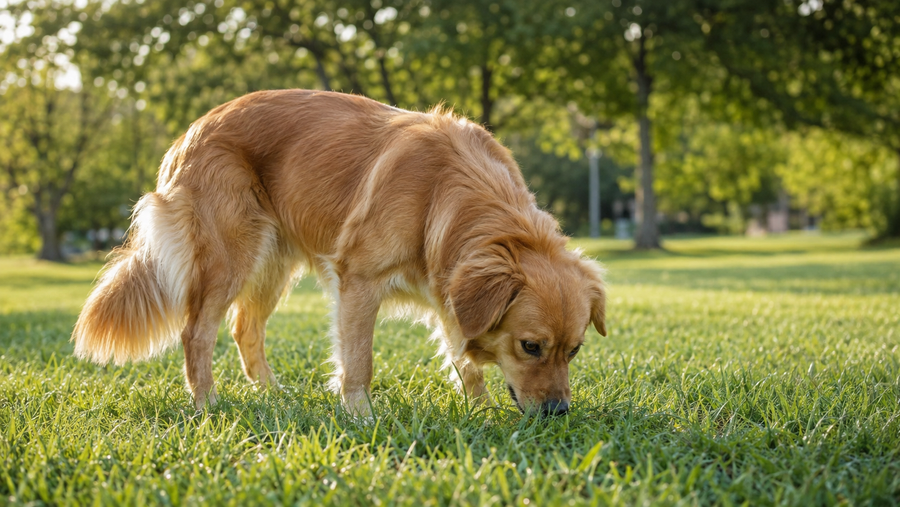
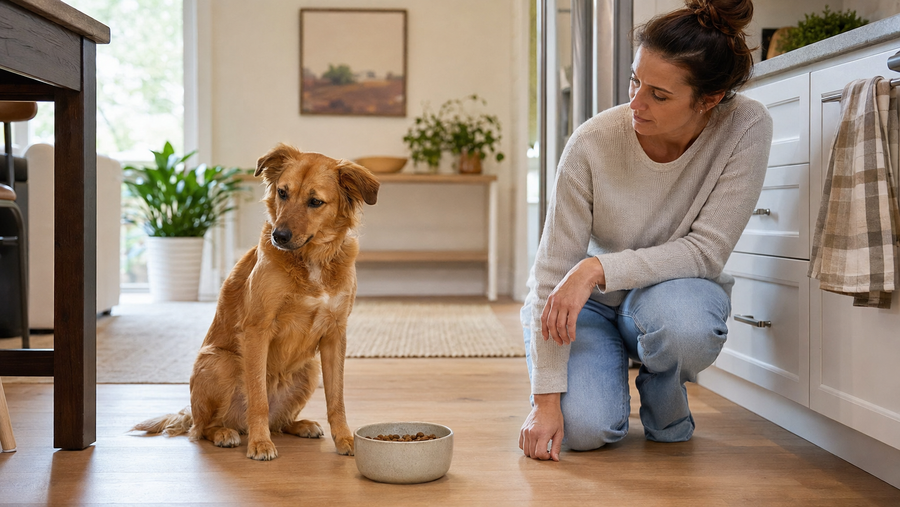
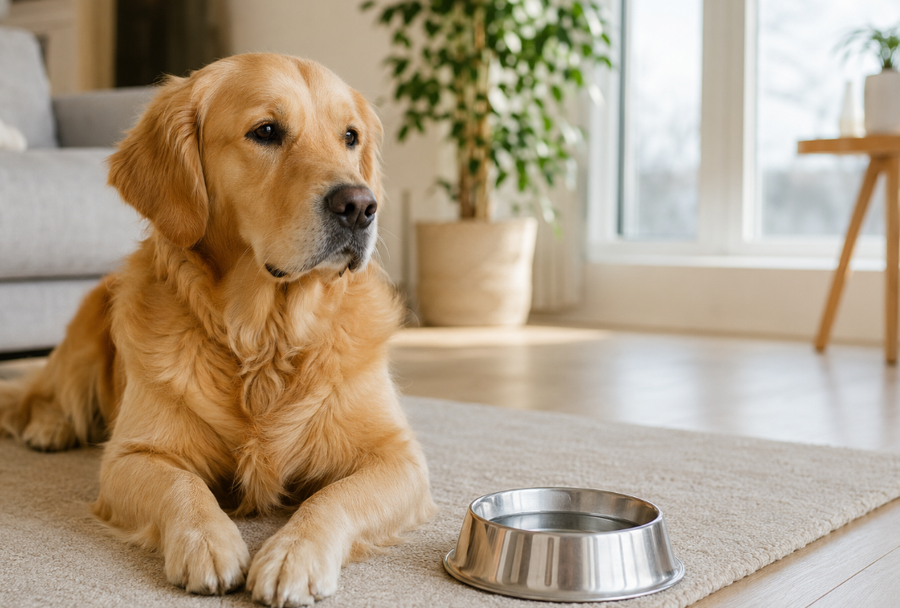
When your female dog is in heat, the main goals are to prevent accidental pregnancy, keep her safely supervised, manage discharge, and help her stay comfortable.
The essentials are simple: keep her separated from intact male dogs, use a secure leash outdoors, avoid off-leash areas, and use dog diapers only for hygiene—not contraception.
If you are not yet sure whether your dog has entered her heat cycle, start with our guide to the signs, stages, and timeline of a dog in heat.
What to Do When Your Dog Is in Heat: Quick Checklist
- Keep her indoors or directly supervised. Secure doors, gates, and windows.
- Use a leash for every walk and potty break.
- Keep her completely separate from intact male dogs.
- Avoid dog parks, doggy daycare, and off-leash play.
- Use washable or disposable dog diapers to manage discharge at home.
- Provide a quiet resting space and gentle indoor enrichment.
- Contact a veterinarian if symptoms seem severe, unusual, or worrying.

Keep Your Dog Safe and Prevent Accidental Pregnancy
A female dog can become pregnant during her heat cycle, including her first one. The safest approach is not to rely on one measure alone. Use layers of protection: secure indoor routines, direct supervision, leash control, and physical separation from intact males.
Secure Your Home First
During a heat cycle, routines that normally feel safe may not be enough. Make sure doors and gates close securely, remind family members not to leave entry points open, and avoid leaving your dog alone in the yard.
Male dogs do not have heat cycles themselves, but they can respond strongly to a female dog’s scent and may try to reach her. Use closed doors, secure gates, separate walks, and direct supervision. Do not rely on a diaper, training, or a fence alone to prevent mating.
A female dog’s scent and more frequent urination can attract male dogs during her cycle. VCA Animal Hospitals explains more about canine estrous cycles.
Use a Leash Outdoors
Keep your dog on a secure leash for every walk and potty break during her heat cycle. Choose quieter routes and avoid dog parks, busy off-leash areas, and places where unfamiliar dogs may approach.
A fenced yard can still be useful, but it should not be treated as a substitute for supervision. Dogs may dig, climb, slip through an opening, or be approached by another dog.
Make sure her everyday equipment fits correctly before heading out. Our dog collar fit and safety guide explains how to check comfort, fit, and when a harness may be a better option.
GPS Is a Backup, Not a Barrier
If your dog slips through an open door or gate, GPS location tools can help you respond faster. A collar with live location and escape alerts, such as the SATELLAI Collar, can add a useful recovery layer.
GPS tracking and virtual boundaries do not replace a leash, physical barriers, supervision, or responsible handling. During a heat cycle, use technology as an added safety tool—not as the primary way to prevent an escape.
If your dog does get loose, follow our immediate action plan for a lost dog rather than chasing her or putting yourself in danger.

Manage Hygiene and Comfort at Home
Bloody discharge and more frequent licking can make a heat cycle messy, but home care does not need to be complicated.
Dog Diapers Can Help With Cleanup
Washable or disposable dog diapers can help protect floors, furniture, and bedding from discharge. They are a hygiene tool only; they do not prevent mating or pregnancy.
Choose a breathable diaper that fits well, check it frequently, and change it promptly when it becomes wet or soiled. Give your dog regular diaper-free potty breaks and keep the skin clean and dry to reduce irritation.
Dog diapers can help manage heat-related discharge, but they are not a reliable barrier against mating. See AKC guidance on dog diapers, fit, hygiene, and supervision.
Create a Calm, Low-Stress Routine
Some female dogs become clingier, more restless, quieter, or more sensitive during their heat cycle. Give her a comfortable place to rest, let her choose whether she wants extra affection or more personal space, and avoid forcing social interaction.
Gentle indoor activities can help her settle without adding unnecessary excitement:
- Food puzzles or slow feeders
- Long-lasting chews that are appropriate for her
- Short training sessions using familiar cues
- Calm indoor play and sniffing games
Do not assume every behavior change is “just hormones.” If your dog seems painful, severely distressed, unusually weak, or unlike herself, contact your veterinarian.

When to Call a Veterinarian
Heat cycles can vary by dog, but certain symptoms should not be dismissed as normal. Contact a veterinarian promptly if you notice:
- Extreme lethargy, weakness, collapse, or refusal to eat
- Repeated vomiting, fever, or a painful or swollen abdomen
- Foul-smelling, pus-like, or unusual discharge
- Heavy bleeding, signs of pain, or symptoms that concern you
- Unexpected changes in urination, such as straining, crying, or strong-smelling urine
These signs can indicate illness rather than a routine heat cycle. Do not try to diagnose a reproductive condition at home.
If accidental mating occurs, contact your veterinarian as soon as possible. Do not use home remedies or wait for online advice to decide what to do next.

Should You Spay a Dog After a Heat Cycle?
Spaying prevents future heat cycles and unplanned pregnancy, but the right timing is not identical for every dog. Breed, size, age, medical history, lifestyle, and reproductive history can all matter.
Do not use a generic online timeline to schedule surgery. Ask your veterinarian when spaying is appropriate for your individual dog and whether she should be fully recovered from her current cycle before surgery.
Frequently Asked Questions
Can a dog get pregnant during her first heat?
Yes. A female dog can become pregnant during her first heat cycle. Keep her separated from intact males and use the same safety steps you would use for an adult dog.
Can dog diapers prevent pregnancy?
No. Dog diapers can manage discharge, but they are not contraception and cannot reliably prevent mating.
Should I keep my dog indoors the entire time she is in heat?
She still needs regular potty breaks and appropriate exercise, but outdoor time should be controlled. Use a leash, choose quiet areas, avoid off-leash settings, and never leave her outdoors unattended.
Can I take my dog to daycare or the dog park while she is in heat?
It is best to avoid both. Many facilities do not accept dogs in heat, and close contact with unfamiliar dogs increases the risk of accidental mating, stress, and conflict.
How can I make my dog more comfortable while she is in heat?
Provide a quiet resting space, clean bedding, frequent potty breaks, gentle indoor enrichment, and patience. Use diapers for cleanup when needed, but monitor the skin and change the diaper promptly when wet or soiled.
Final Takeaway
A dog in heat can stay safe and comfortable with a calm, practical plan. Keep her supervised, securely leashed outdoors, physically separated from intact male dogs, and comfortable at home. Use diapers for hygiene, not birth control; use GPS as a backup, not a barrier; and call your veterinarian whenever something seems abnormal.