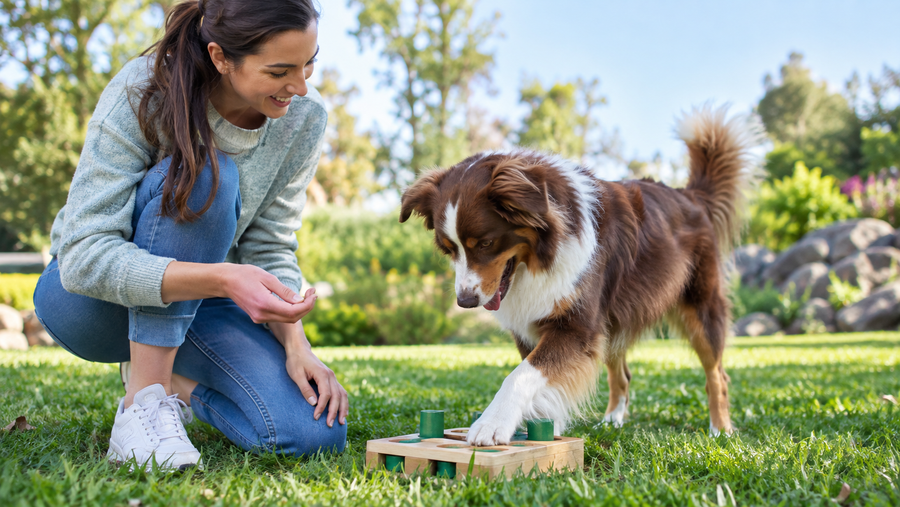
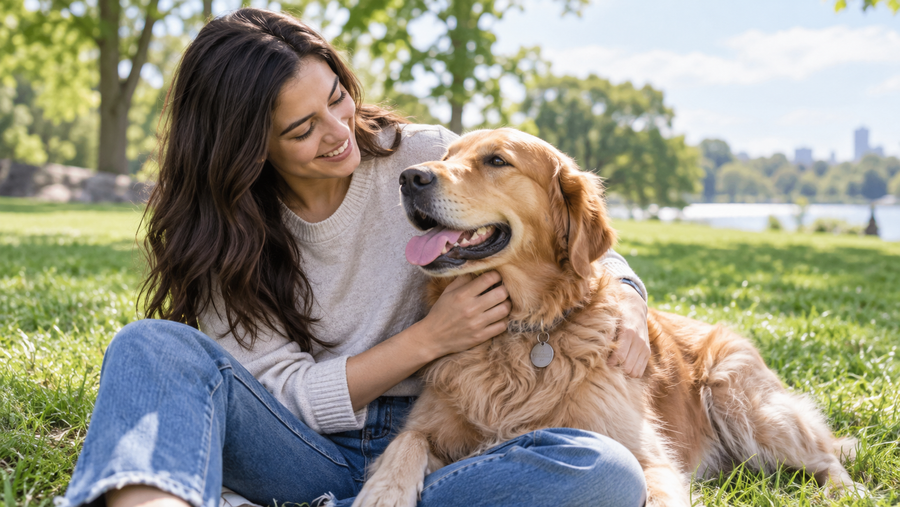
A safe space for a dog is a quiet, comfortable area the dog can enter and leave voluntarily. It offers relief from household activity, visitors, noise, handling, or social pressure without being used as punishment.
The best safe space is not defined by a particular bed, crate, or room. It is defined by the dog's experience: the area is predictable, comfortable, easy to access, and protected from unwanted interaction.
Quick answer: Choose a low-traffic location, provide comfortable bedding and water, keep an exit available, and teach everyone in the home to leave the dog alone there. Introduce the area during calm moments with treats, chews, or rest. Never drag the dog into it, shut the dog inside without preparation, or use it as punishment.
What Is a Safe Space for a Dog?
A dog safe space is a designated resting area where the dog can settle without being crowded, touched, or required to interact. It might be an open crate, a bed behind a baby gate, a quiet corner, part of a home office, or a separate room.
The setup should match the individual dog. Some dogs relax when they can see the room. Others prefer visual cover and lower household traffic. A dog with arthritis may need a supportive bed on a non-slip floor, while a noise-sensitive dog may benefit from an interior room away from windows.
A safe space should provide three things:
- Choice: The dog can enter and, whenever safety allows, leave voluntarily.
- Comfort: Temperature, bedding, sound, light, and access suit the dog's needs.
- Protection: People and other animals do not follow the dog in or disturb it.
Choose the Right Location
Look for a location that is quiet without being completely isolated from normal family life. Avoid placing the space beside a front door, television, busy hallway, children's play area, laundry machine, or window where the dog regularly reacts to outdoor movement.
A useful location usually has:
- Low foot traffic
- A stable, comfortable temperature
- Protection from direct drafts and intense sunlight
- A non-slip path in and out
- Enough room for the dog to stand, turn, stretch, and change position
- No trapped corner where another animal or person can block the exit
Observe where your dog already chooses to rest. That preference may be more useful than selecting a location based only on appearance.
What to Put in Your Dog's Safe Space
Keep the setup simple. Too many toys, strong scents, flashing devices, or unfamiliar objects can make an area less restful.
Consider including:
- A washable bed or mat appropriate for the dog's size and mobility
- A familiar blanket if the dog finds it comfortable
- Fresh water in a stable bowl
- One safe chew or familiar enrichment item when supervision is appropriate
- Curtains, a visual barrier, or partial cover if outside movement causes concern
- Steady background sound if it helps reduce sudden noises
Avoid leaving food, chews, or toys that could cause guarding or conflict in a multi-dog home. Remove items that can splinter, become lodged, or be swallowed.

How to Introduce the Space Positively
Introduce the area before your dog urgently needs it. A thunderstorm or crowded gathering is not the ideal first lesson.
- Make the area available. Place the bed or mat in the selected location and allow the dog to investigate.
- Reward voluntary interest. Place a treat near the entrance or calmly reward the dog for looking, approaching, or stepping inside.
- Add familiar calm activities. Offer a normal chew, stuffed food toy, or part of a meal if the dog can eat comfortably there.
- Practice while the home is quiet. Let the dog rest without closing a door or creating additional pressure.
- Protect the space consistently. Once the dog uses it, family members should not follow, hug, photograph, or pull the dog out for nonessential interaction.
Do not lure a frightened dog into a space and then close the exit. That can weaken trust in both the area and the person guiding the dog.
Teach the Household a Clear Rule
The safest rule is simple: when the dog is in the safe space, leave the dog alone.
Children should ask an adult before approaching the dog anywhere, and the safe space should remain off-limits. Guests can be told to ignore the dog until the dog chooses to approach. Other pets may need their own resting areas, gates, or supervised separation.
A dog that retreats is communicating a need for distance. Respecting that early request may prevent the dog from escalating to barking, growling, snapping, or attempting to flee.
Using a Safe Space During Visitors
Prepare before guests arrive. Give the dog a bathroom break and an appropriate activity, then make the safe area available before the doorbell and greetings begin.
Visitors should not stare at, reach toward, call, or follow a nervous dog. If the dog chooses to come out, that does not automatically mean it wants to be touched. Let the dog gather information and move away freely.
If arrivals are difficult, manage the entrance with a gate, closed room, leash at a comfortable distance, or another secure arrangement. Safety management is more useful than repeatedly testing whether the dog can tolerate a situation.
Using the Space During Thunderstorms or Fireworks
For noise-sensitive dogs, an interior room or area away from large windows may reduce sound and flashes. Close curtains, keep household behavior calm, and add steady background sound if the dog is already comfortable with it.
Allow the dog to choose whether to remain near you or rest alone. Calm support does not reinforce fear, but forced holding or crowding can increase distress.

Dogs with severe noise fear may tremble, drool, pant heavily, refuse food, destroy doors or windows, or attempt dangerous escapes. A bed and background noise may not be enough. Discuss a plan with your veterinarian before predictable noise events.
Is a Crate the Same as a Safe Space?
A crate can function as a safe space when a dog has a positive history with it and chooses to rest there. Keep the door open during ordinary safe-space use unless the dog has been gradually trained for comfortable confinement.
A crate is not a universal anxiety solution. A dog with confinement-related distress may panic, injure teeth or nails, bend crate components, or become more frightened when enclosed.
Do not assume that a dog who enters a crate for food is ready to remain closed inside during a storm, visitor arrival, or long absence.
Safe Spaces in Multi-Pet Homes
Each animal should have access to rest without being followed, blocked, or displaced. Beds placed side by side may not provide true separation.
Use distance, furniture, gates, or separate rooms when needed. Feed high-value items separately, and watch for subtle conflict such as staring, doorway blocking, hovering, or one dog repeatedly giving up a bed.
Common Safe-Space Mistakes
- Using the area as punishment: The space should predict safety, not social isolation after unwanted behavior.
- Forcing the dog inside: Voluntary use creates a stronger positive association.
- Placing it in a busy location: A beautiful bed beside the front door may not be restful.
- Letting children or visitors follow: The space loses value if retreat does not create distance.
- Blocking the exit: Feeling trapped can increase defensive behavior.
- Waiting for a crisis: Introduce and reinforce the area during calm periods.
- Treating it as a complete anxiety plan: Environmental management helps, but persistent fear may require veterinary and behavioral support.
How to Tell Whether the Space Is Helping
Useful signs include choosing the space without prompting, resting in a loose position, breathing normally, accepting a familiar chew, and returning to normal activity after the stressful event passes.
Signs that the setup needs adjustment include avoiding the area, remaining rigid or hypervigilant inside it, watching the exit continuously, refusing familiar food, or becoming distressed when a door is closed.
Read these behaviors in context. Our guide to signs of stress in dogs explains why clusters of body-language signals matter more than a single yawn, tail position, or moment of panting.
When a Safe Space Is Not Enough
Contact a veterinarian when fear or avoidance begins suddenly, worsens, or occurs with pain, appetite changes, digestive symptoms, altered sleep, confusion, reduced mobility, or sensitivity to touch.
Seek qualified behavioral help when the dog panics, cannot recover, injures itself, threatens to bite, or cannot participate in ordinary care. The American Veterinary Society of Animal Behavior recommends reward-based approaches for training and behavior modification.
For immediate, low-pressure management steps, see how to calm an anxious dog safely.
Frequently Asked Questions
Where should I put my dog's safe space?
Choose a quiet, temperature-controlled area away from heavy foot traffic, entrances, loud appliances, and windows that trigger barking. The dog should have a clear path in and out.
Should I leave my dog alone in the safe space?
Give the dog freedom from unwanted interaction, but continue to supervise according to age, health, and safety needs. A safe space does not mean ignoring physical distress or leaving a dog isolated for inappropriate periods.
Can I use a crate as a safe space?
Yes, if the dog already has a positive association with the crate and can enter and leave comfortably. Closed confinement can worsen distress in dogs with confinement anxiety.
Should children be allowed in a dog's safe space?
No. Children should learn that the area is reserved for the dog and that a resting or retreating dog must not be followed, hugged, or pulled out.
Can a safe space cure dog anxiety?
No. It can reduce environmental pressure and support a broader plan, but persistent or severe anxiety may require veterinary assessment and an individualized behavior program.
The Bottom Line
A useful safe space gives a dog comfort, choice, and reliable protection from unwanted interaction. Choose the location based on the dog's behavior, introduce it during calm moments, and make the household rules consistent.
The space is a management tool, not a place of punishment and not a substitute for medical or behavioral care. When a dog can retreat safely and return on its own terms, the home becomes easier to navigate and communication becomes clearer.
Sources
- American Veterinary Society of Animal Behavior: Position Statements
- RSPCA: Understanding Your Dog's Behavior
- Merck Veterinary Manual: Behavior Problems of Dogs