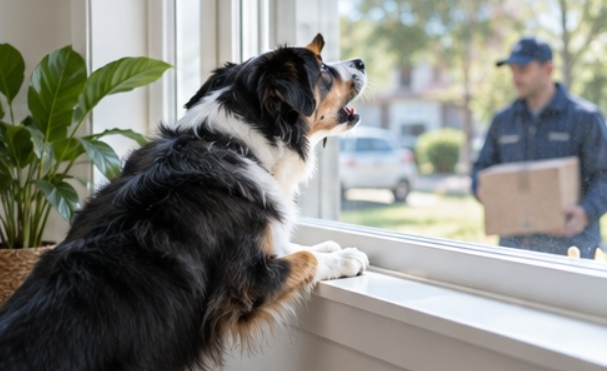
A chewed shoe is annoying. A shredded cushion is expensive. A swallowed piece of fabric can be dangerous.
But to your dog, chewing is not automatically bad behavior. Chewing is a normal part of being a dog. Puppies use their mouths to explore and often chew more during teething. Adult dogs may chew because they enjoy it, because an object smells or feels interesting, or because chewing gives them something to do when they are bored, frustrated, or stressed.
So the goal is not to eliminate chewing. It is to help your dog learn what they can chew safely.
Why Does My Dog Chew Everything?
Dogs may chew household objects because of exploration, teething, normal enjoyment, boredom, insufficient stimulation, frustration, attention-seeking patterns, stress, separation-related distress, or simply because the object itself is rewarding to chew.
Destructive chewing becomes a problem when a dog repeatedly damages unsafe or valuable items or swallows pieces. The best approach usually combines prevention, appropriate chew options, enrichment, and training.
1. Puppies Learn About the World With Their Mouths
Puppies investigate their environment by sniffing, licking, carrying, biting, and chewing. Shoes, table legs, rugs, cardboard, remote controls, children's toys, and laundry do not come with a built-in “do not chew” label.
The distinction between an appropriate chew and a household object has to be learned. That is why puppy-proofing is useful: make unsafe objects harder to reach and appropriate options easier to find.
2. Teething Can Make Chewing More Intense
Young dogs often chew more while their adult teeth are developing. During this stage, chewing may help them cope with oral discomfort.
Give puppies options appropriate for their age, size, and chewing strength, and inspect them regularly for damage. If your puppy tends to break off or swallow pieces, ask your veterinarian what kinds of chew items are appropriate.

3. Adult Dogs Still Enjoy Chewing
Chewing does not stop being normal when puppyhood ends. Many adult dogs simply find chewing rewarding.
Instead of asking whether your dog chews at all, ask what they chew, when it happens, how often it happens, what occurred beforehand, and whether suitable alternatives are available.
A dog quietly working on an appropriate chew is not necessarily showing a behavior problem.
4. Boredom Can Turn Your House Into Entertainment
A dog with little to do may invent an activity, and furniture can be surprisingly entertaining. A cushion can be pulled apart, cardboard can be shredded, a chair leg has texture, and a shoe carries your scent.
Useful enrichment may include sniff-focused walks, food-search games, short training sessions, puzzle feeding, appropriate play, toy rotation, safe chewing, and new environments to explore. For more ideas, see our guide to mental enrichment for dogs.
The goal is not to exhaust your dog. A balanced routine should provide suitable outlets for curiosity and activity while still allowing enough rest.
5. Your Shoes May Be More Interesting Than Their Toys
A dog can have a basket full of toys and still prefer your shoes. Shoes smell like you, have an unusual texture, bend, move, and are often easy to grab.
Instead of simply buying more toys, pay attention to how your dog likes to interact with objects. Some dogs prefer carrying. Others enjoy tugging, steady chewing, or shredding. The best alternative is one that suits the dog's actual preferences while remaining safe.
6. Stealing Objects Can Turn Into a Game
Your dog grabs a sock. You run toward them. They run away. Suddenly the whole household is participating in a chase.
You may be trying to recover the sock, but the dog may learn that grabbing laundry starts an exciting game. Teach cues such as drop it and leave it, and reward calm exchanges rather than turning every stolen object into a dramatic pursuit.
7. Frustration Can Show Up as Chewing
Some dogs chew when they are highly aroused and cannot access something they want. A dog behind a barrier may bite at the gate. A dog waiting to go outside may grab the leash. A dog unable to reach another animal may chew whatever is nearby.
In these cases, the object itself may not be the main problem. Ask what happened immediately before the chewing started.
8. Chewing Can Be Related to Stress or Separation Distress
Chewing deserves closer attention when it happens mainly while your dog is alone. Look for pacing, barking or howling, scratching at exits, escape attempts, indoor toileting, restlessness, or difficulty settling.
Chewing alone does not establish separation anxiety. However, destruction combined with clear distress during absences warrants further evaluation. A camera can help you see what actually happens after you leave instead of judging the situation only by the damage you find later.
How Do You Stop a Dog From Chewing Everything?
Remove Easy Targets
Put shoes, laundry, medication, trash, children's toys, food packaging, small swallowable items, and accessible electrical cords out of reach where possible. Preventing repeated mistakes is part of effective management.
Provide Appropriate Chew Options
Offer items suited to your dog's size and chewing style, supervise unfamiliar products, and inspect them regularly. No chew is appropriate for every dog, particularly when a dog aggressively breaks products apart or swallows pieces.
Rotate Toys
Novelty can help. Instead of leaving the same collection on the floor indefinitely, rotate a smaller group. A familiar toy may become interesting again after several days out of sight.
Redirect Calmly
If you catch your dog chewing something inappropriate, interrupt calmly and offer something suitable. When they switch, reinforce the better choice.

The lesson should be clearer than simply “stop chewing.” It should become: “This is what you can chew instead.”
Review the Daily Routine
If destructive chewing happens mostly during long periods of inactivity, consider whether your dog has enough opportunities for movement, sniffing, exploration, play, training, social interaction, safe chewing, and rest.
More exercise is not always better. Some dogs also struggle when they are overstimulated and rarely settle. Balance matters.
Track When Chewing Happens
For several days, record what your dog chewed, when it happened, whether anyone was home, what occurred immediately beforehand, how the dog appeared emotionally, and how much activity they had that day.
You may discover that chewing happens mostly before meals, during periods alone, after long inactive stretches, or during moments of frustration. That pattern is far more useful than the damaged object alone.
When Chewing Becomes Dangerous
Destructive chewing becomes a medical concern if a dog swallows pieces of fabric, plastic, rubber, string, toys, or other non-food objects. These materials can create choking risks or gastrointestinal obstruction.
Contact your veterinarian promptly if you know or strongly suspect that your dog swallowed something unsafe. Possible warning signs can include vomiting, repeated retching, reduced appetite, abdominal discomfort, lethargy, difficulty passing stool, or sudden changes in behavior.
If the object itself may be dangerous, do not wait for symptoms before seeking veterinary advice.
When Should You Call a Veterinarian?
Talk with your veterinarian if chewing starts suddenly in an adult dog, becomes much more intense than usual, results in swallowed objects, damages teeth or gums, occurs together with vomiting or appetite changes, happens during severe distress, or appears alongside other sudden behavior changes.
A sudden increase in chewing should not automatically be treated as a training issue.
Frequently Asked Questions
Why does my dog chew everything when I leave?
Possible causes include boredom, access to rewarding objects, or separation-related distress. Look for additional signs such as pacing, barking, scratching at exits, escape attempts, or difficulty settling.
Why has my adult dog suddenly started chewing everything?
Changes in routine, stress, frustration, new access to objects, and health-related problems can all contribute. Sudden behavior changes are worth discussing with your veterinarian.
Do dogs grow out of chewing?
Teething-related chewing generally decreases, but adult dogs can still have a normal desire to chew. The goal is appropriate chewing rather than eliminating the behavior completely.
Should I punish my dog for chewing furniture?
Punishment does not teach a dog what they should chew instead, particularly when it happens after the damage was done. Management, redirection, and reinforcement of appropriate chewing provide clearer information.
Is chewing a sign of anxiety?
It can be, but chewing alone is not enough to identify anxiety. Look at when it happens and whether it occurs with pacing, vocalization, escape behavior, or other signs of distress.
Final Takeaway
Dogs do not chew your belongings simply to annoy you. Chewing is natural and rewarding, and it can also become an outlet for boredom, frustration, or stress.
Instead of asking only, “How do I stop my dog from chewing?” ask “Why is my dog choosing this object at this moment?”
Remove unsafe opportunities, provide better alternatives, reward appropriate choices, and pay attention when chewing suddenly changes. The goal is not to eliminate chewing—it is to make safe chewing the easiest and most rewarding choice.