Between meals, potty breaks, and the evening walk, you already spend a lot of time caring for your dog. Still, you might wonder how to make that time feel more connected—especially when the daily routine starts running on autopilot.
Building a stronger bond with your dog starts with finding things you enjoy together, paying attention to their responses, and making room for those experiences in everyday life. A relaxed walk, a favorite game, a short training session, or a quiet evening nearby can all be opportunities to connect.
You do not need an elaborate schedule. Start by noticing what your dog enjoys, then make a little more room for it.
1. Find Out What Your Dog Enjoys Doing With You
A good place to start is with the activities your dog already chooses.
Maybe they bring you a worn-out plush toy every evening. Maybe they pass up a game of fetch but happily search the living room for a hidden treat. Or perhaps their favorite part of the day is a slow walk followed by a nap near your desk.
Those preferences give you something practical to build on. Choose bonding activities that fit your dog’s interests, age, and physical abilities. A high-energy game may suit one dog, while another would be more comfortable with a gentle search or quiet company.
Try offering two familiar toys and waiting to see which one your dog picks. On a walk, let them choose between two safe paths. Once an activity starts, notice whether they keep participating or take a break.
You can jot down a quick note afterward: “Chose the soft toy,” or “Enjoyed searching, then went to rest.” There is no need to analyze every interaction. You are simply learning what makes time together enjoyable.
If their response is hard to read, our guide to understanding your dog’s body language can help you interpret it in context.
2. Make Your Daily Walk More of a Shared Experience
Once you have a sense of your dog’s preferences, look for ways to work them into something you already do. For many households, the easiest place to begin is the daily walk.
Choose a safe stretch where you can put your phone away and slow down. Give your dog time to investigate an interesting patch of grass or pause near a familiar tree. At a quiet intersection, offer a choice between two appropriate routes.
An engaging walk gives your dog room to explore while you stay attentive to them and your surroundings. You do not have to walk farther or find a new destination every day.
For example, if your dog repeatedly stops along one section of your neighborhood route, leave a little extra time there. If traffic or other dogs make it difficult for them to settle into the outing, try a quieter street or a less crowded time.
Keep your dog on a secure leash where required, use properly fitted equipment, and adjust the outing for their mobility and the weather. A comfortable walk around the block can be a better fit than a busy trail that leaves everyone overwhelmed.
3. Bring That Same Attention to Playtime
The choices you notice on walks can help at home, too. Instead of reaching for whichever toy is closest, start with one your dog regularly chooses.
Keep the Game Easy to Join
For a dog who likes retrieving, try a short toss on a nonslip surface. If they enjoy gentle tug, keep the toy low and avoid sudden jerking or lifting. Choose a toy that suits their size and check it for damage.
Pause after a short round and see what happens. Your dog might bring the toy back, move toward it again, or head somewhere else.
Offer another round when your dog willingly reengages; let the game end when they choose to leave. Consider their whole body and the situation, since carrying a toy toward you does not always mean they want you to take it.
If your dog becomes stiff, guards the toy, or growls when you approach, do not reach in to retrieve it. Stop the game and seek guidance from a qualified reward-based behavior professional.
Try a Simple Search
If your dog prefers using their nose, begin with an easy search. Place a favorite toy in plain sight and invite them to find it. After a few successful attempts, move it to a slightly less obvious spot, such as beside a chair.
You can also use a few small treats on a clean, safe surface if they fit your dog’s diet. Count them toward the day’s food allowance.
Keep the setup simple enough for your dog to succeed. If they seem confused or stop participating, show them where the item is and make the next attempt easier.
For more ideas, browse our backyard games for dogs. Choose one activity to try rather than filling the afternoon with new games.
4. Learn One Small Skill Together
As you discover how your dog likes to play, you may also find opportunities for a little learning. A short training session can become another enjoyable part of your routine when the task is clear and the reward matters to your dog.
Use reward-based training to teach new skills. The American Veterinary Society of Animal Behavior recommends reward-based methods for dog training and behavior modification.
A simple nose target is one option:
- In a quiet space, hold an empty, open hand a few inches from your dog’s nose.
- Let them investigate without moving your hand toward their face.
- When their nose touches your hand, say “yes” and immediately offer a small treat with your other hand.
- Pause, then offer another opportunity.
The American Kennel Club’s nose-targeting guide explains this exercise in more detail. Once your dog consistently touches your hand, you can introduce a cue such as “touch.”
Keep early sessions brief—a few successful repetitions may be plenty. If your dog walks away or seems unsure, take a break or simplify the task.
For more on timing and practice, see our guide to how dogs learn.
5. Turn a Favorite Activity Into a Small Daily Ritual
By now, you may have found a walk, game, or skill your dog enjoys. The next step is to make it easy to revisit.
Attach it to something already in your day: a short search game after work, a relaxed walk after breakfast, or a few minutes together on the porch before dinner.
Choose a routine you can maintain without rushing, and leave room for your dog to opt out. They may be ready to play one evening and prefer to rest the next.
Quiet companionship belongs here, too. You can read while your dog rests on a nearby bed or sit outside together without asking for interaction. A dog who does not seek much physical contact can still enjoy your company.
If fear or persistent avoidance makes everyday contact difficult, start with our guide to rebuilding trust with a fearful dog. Those dogs may need a more gradual approach and professional support.
Try a Flexible Seven-Day Bonding Plan
If you would like a starting point, use this week to sample a few activities and find the ones worth repeating.
Treat the plan as a way to learn your dog’s preferences, with no deadline for a stronger bond.
| Day | Try This | Notice This |
|---|---|---|
| 1 | Offer two familiar toys. | Which one does your dog choose? |
| 2 | Slow down for part of your usual walk. | Where do they want to explore? |
| 3 | Set up an easy indoor search. | Is the challenge comfortable and achievable? |
| 4 | Try a few hand-target repetitions. | Does your dog willingly participate? |
| 5 | Spend quiet time in the same room. | Where do they choose to settle? |
| 6 | Repeat a favorite activity. | Would a small adjustment make it more enjoyable? |
| 7 | Review what worked. | Which activities fit both your dog and your schedule? |
Swap days, repeat favorites, or skip an activity that does not suit your dog. The useful result is a short list of things you can enjoy together.
Let Your Dog’s Responses Guide What Comes Next
After the first week, keep one or two favorites. Change one detail at a time, such as playing in a quieter room or taking your walk earlier.
Ask yourself: Does my dog choose to join? Can they take a break? Does this fit comfortably into our day?
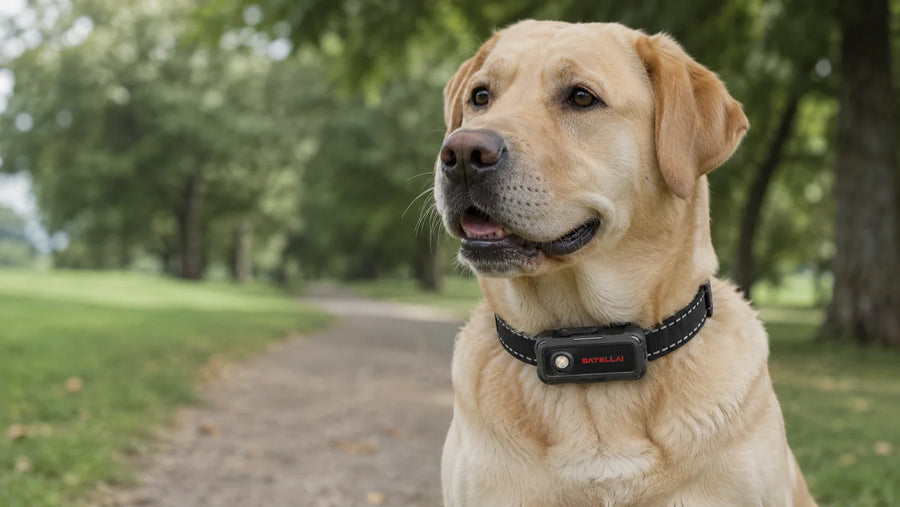
If you already use an activity tracker, it can add context to those observations. SATELLAI Collar Go offers activity monitoring, GPS tracking, and location history, so you can review movement and outings alongside your own notes.
For example, those records may help you keep track of how an extra outing fits into your dog’s usual week. They cannot measure affection, identify enjoyment, or prove that your bond has improved. Keep your dog’s comfort and need for rest at the center of your decisions.
You also do not need to judge the relationship by how often your dog cuddles or follows you around. Our guide to how dogs show love and trust explains why individual preferences and context matter.
Pay attention when familiar patterns change, however. A dog who stops playing, avoids touch, or becomes reluctant to walk may be uncomfortable. Cornell University’s veterinary guidance on recognizing pain describes how changes in everyday behavior can signal a problem. Contact your veterinarian about new or persistent changes rather than assuming your dog has lost interest in you.
Frequently Asked Questions About Bonding With Your Dog
What is the best way to bond with your dog?
Start with something your dog enjoys and give it your attention. Shared walks, interactive games, reward-based training, and quiet companionship are practical options. Let your dog’s preferences guide the choice.
How much time should I spend bonding with my dog each day?
There is no established daily time requirement for bonding. Look for manageable opportunities within your existing routine, while continuing to meet your dog’s exercise, enrichment, social, and rest needs.
How can I bond with a dog who does not like cuddling?
Try activities that do not require physical contact, such as searching for a toy, exploring outside, or learning a simple skill. Let your dog choose whether to approach for petting.
Can I bond with my dog without using treats?
Yes. Many shared activities are enjoyable on their own. Toys, exploration, and another round of a favorite game can also be rewarding. Food rewards are useful for teaching new skills when they suit your dog’s diet.
How long does it take to build a stronger bond?
There is no reliable timeline. Your dog’s health, temperament, previous experiences, and history with you all matter. Focus on making everyday interactions comfortable and enjoyable rather than expecting a particular response by a certain date.
Start with one small change today: linger at your dog’s favorite sniffing spot, bring out the toy they usually choose, or share a quiet few minutes after dinner. Notice what works, and give yourselves another chance to enjoy it tomorrow.