When a dog who usually races to the bowl suddenly walks away, it is hard not to worry. Sometimes the explanation is simple: too many treats, a stressful day, an unfamiliar food, or a change in routine. In other cases, loss of appetite can be an early sign of pain, nausea, dental disease, infection, a swallowed object, toxin exposure, or another medical problem.
The empty bowl is only one clue. Your dog’s energy, drinking, vomiting, stool, comfort, age, medical history, and behavior all help determine how quickly you should act.
Quick Answer: Why Is My Dog Not Eating?
A dog may stop eating because of stress, pickiness, too many treats, spoiled or unfamiliar food, dental pain, nausea, medication, illness, or difficulty chewing or swallowing. A healthy adult dog that skips one meal but remains bright, comfortable, and interested in water may be monitored closely for a short time. Call a veterinarian sooner if your dog refuses all food through the next meals or approaches 24 hours without eating. Do not wait if your dog is a puppy, has diabetes or another medical condition, or develops vomiting, lethargy, abdominal pain, a swollen belly, weakness, breathing trouble, or signs of toxin or foreign-object exposure.
Pet health note: This article is for general education and does not replace veterinary advice. If you are concerned about your dog, contact your veterinarian. If you suspect poisoning or a swallowed object, seek professional guidance immediately instead of waiting for additional symptoms.
Key Takeaways
- Loss of appetite is a symptom, not a diagnosis. The cause may be behavioral, environmental, food-related, painful, or medical.
- A dog that wants to eat but cannot comfortably pick up, chew, or swallow food may have a different problem from a dog that has no interest in food.
- One skipped meal in an otherwise normal adult dog may be less concerning than complete food refusal accompanied by vomiting, pain, weakness, or a behavior change.
- Puppies, toy breeds, senior dogs, pregnant dogs, diabetic dogs, and dogs with chronic conditions need earlier veterinary guidance.
- Do not force-feed, give human medication, or attempt to make your dog vomit unless a veterinary professional specifically instructs you to do so.
- Notes about appetite, water intake, activity, rest, bowel movements, and possible exposures can help your veterinarian understand what changed.
Is Your Dog Not Hungry—or Unable to Eat?
Veterinarians may distinguish between true anorexia and pseudo-anorexia. In veterinary medicine, anorexia means a loss of appetite; it does not refer to the human eating disorder. A dog with true anorexia is not motivated to eat. A dog with pseudo-anorexia may feel hungry but be unable or unwilling to eat because picking up, chewing, or swallowing food is painful or difficult.
According to VCA Animal Hospitals, both patterns reduce food intake and should be taken seriously.
Watch what happens when your dog approaches the bowl:
- Smells the food and walks away: nausea, stress, illness, food aversion, or lack of appetite may be involved.
- Tries to eat but drops kibble: dental or mouth pain may be making chewing difficult.
- Chews only on one side: a painful tooth, gum problem, or mouth injury is possible.
- Prefers soft food but refuses dry food: chewing may hurt, even if appetite is present.
- Gags, coughs, or repeatedly attempts to swallow: contact a veterinarian promptly because a mouth, throat, or swallowing problem may be involved.
- Approaches the bowl but cannot lower the head comfortably: neck, back, or joint pain may be contributing.
This observation cannot identify the cause, but it gives your veterinarian more useful information than “my dog will not eat.”

9 Common Reasons Dogs Stop Eating
There is no single explanation for a dog refusing food. The categories below can help you review recent changes and recognize when veterinary care is needed.
1. Too Many Treats or Food From Someone Else
A dog that refuses kibble but accepts chicken, cheese, or treats may still have an appetite. They may be full, waiting for something more appealing, or learning that ignoring regular food produces a better offer.
Before assuming your dog is sick or picky, ask everyone in the household:
- Did anyone already feed the dog?
- Were there more training treats than usual?
- Did the dog receive table scraps, chews, or food from another pet’s bowl?
- Has someone been adding a topper every time the dog hesitates?
Treat interest can be reassuring, but a dog eating treats is not proof that the dog is healthy. Dental pain, nausea, and early illness can still allow a dog to accept a small, highly desirable bite while refusing a normal meal.
2. A Food Problem or Sudden Diet Change
Dogs may reject food that is stale, rancid, damp, moldy, incorrectly stored, or different from what they normally receive. Packaging can change, and a new bag may have a different smell or texture even when the label looks familiar.
Check:
- The expiration date and lot information
- Whether the bag or container was properly sealed
- Unusual odor, moisture, insects, or visible mold
- Whether the flavor, formula, or kibble size changed
- Whether the bowl contains detergent residue or old food
A rapid food change can also contribute to gastrointestinal upset. When a nonurgent diet change is necessary, transition gradually according to your veterinarian’s or food manufacturer’s instructions rather than switching back and forth repeatedly.
3. Stress, Anxiety, or a Change in Routine
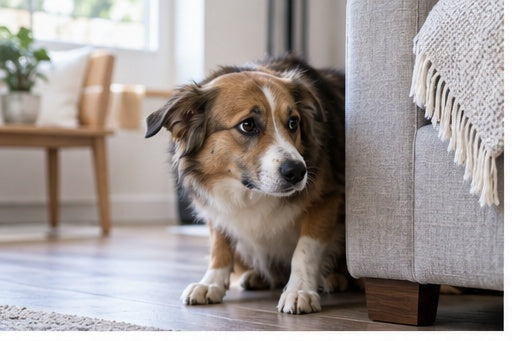
Travel, boarding, moving, visitors, fireworks, construction, a new baby, another pet, or the absence of a familiar person can temporarily affect appetite. Some dogs also avoid eating in noisy, high-traffic areas or when another animal guards the bowl.
Stress is more plausible when the timing fits a clear event and your dog is otherwise comfortable, alert, drinking normally, and free of vomiting or diarrhea. However, do not use stress to explain away persistent food refusal or physical warning signs. Medical problems are often less obvious at first.
4. Dental or Mouth Pain
Broken teeth, periodontal disease, inflamed gums, mouth injuries, oral masses, or material stuck between the teeth can make eating painful. Clues include:
- Drooling or lip licking
- Bad breath that is new or unusually strong
- Pawing at the mouth
- Blood on a toy or in the water bowl
- Dropping food
- Chewing slowly or on one side
- Refusing crunchy food while accepting softer food
Do not force your dog’s mouth open if they appear painful or may bite. A veterinary oral examination can identify problems that are difficult to see at home.
5. Nausea or Digestive Upset
Dogs do not always vomit when they feel nauseated. They may lick their lips, swallow repeatedly, drool, eat grass, turn away from food, appear restless, or sit near the bowl without eating.
Possible contributors include dietary indiscretion, gastritis, infection, parasites, pancreatitis, constipation, or another gastrointestinal condition. If loss of appetite occurs with diarrhea, see SATELLAI’s guide to why dogs get diarrhea and when to call a veterinarian.
Repeated vomiting, a painful abdomen, a swollen belly, unproductive retching, weakness, or inability to keep water down requires prompt veterinary attention.
6. Pain Somewhere Else in the Body
A dog does not need to have a stomach problem to lose interest in food. Pain from arthritis, an injury, back or neck problems, an ear infection, urinary discomfort, or recovery from a procedure can suppress appetite or make it difficult to reach the bowl.
Look for changes such as limping, trembling, reluctance to jump, hiding, unusual panting, a hunched posture, sensitivity to touch, or difficulty standing. Dogs often mask pain, so a quieter-than-normal dog who is also not eating deserves attention.
7. Medication, Vaccination, or Recent Treatment
Some medications and treatments can affect appetite or cause nausea. A dog may also eat less after a stressful clinic visit or procedure. If appetite changed after starting a prescription, contact the prescribing veterinarian.
Do not stop, reduce, repeat, or combine medication on your own. Your veterinarian can determine whether the timing is expected, whether the dose needs review, or whether another problem is developing.
8. A Swallowed Object or Toxin Exposure
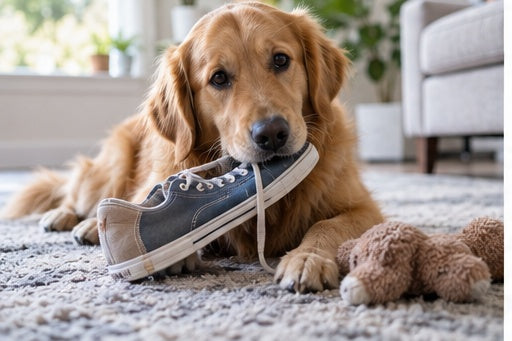
Socks, toy pieces, bones, corn cobs, string, fabric, rocks, and other objects can become lodged in the digestive tract. Warning signs may include loss of appetite, vomiting, abdominal pain, lethargy, diarrhea, straining to defecate, or only passing small amounts of stool. VCA’s foreign-body guidance explains that imaging and other veterinary tests may be needed when obstruction is suspected.
Food refusal can also follow exposure to medications, chemicals, toxic plants, xylitol, grapes or raisins, chocolate, and other unsafe substances. If exposure is possible, do not wait for your dog to look sick. Contact your veterinarian, an emergency clinic, or the ASPCA Animal Poison Control Center at (888) 426-4435. A consultation fee may apply. The ASPCA advises contacting poison control promptly because some toxic effects can be delayed.
9. An Underlying Medical Condition
Infections, fever, kidney or liver disease, pancreatitis, hormonal disorders, heart or lung disease, cancer, and other conditions can reduce appetite. A symptom list cannot tell you which condition is present because many illnesses look similar at home.
Persistent loss of appetite, weight loss, increased or decreased thirst, changes in urination, repeated digestive symptoms, coughing, fever, weakness, or a gradual decline needs veterinary evaluation rather than repeated food experiments.

What Your Dog’s Other Symptoms May Mean for Urgency
Use the whole pattern—not the empty bowl alone—to decide what to do next.
| What you notice | Recommended response |
|---|---|
| A healthy adult dog skips one meal but remains bright, comfortable, and drinks normally | Check food and recent treats, keep fresh water available, and monitor closely. |
| Your dog eats treats but refuses regular food | Remove excess treats and review feeding habits, but contact your vet if the change persists or other symptoms appear. |
| Your dog wants food but drops it, cries, drools, or cannot chew | Arrange a veterinary examination; dental, mouth, or swallowing pain may be involved. |
| Your dog is not eating and is lethargic | Contact your veterinarian the same day; medical causes are more concerning when appetite and energy decline together. |
| Your dog is not eating and has repeated vomiting, a swollen or painful abdomen, weakness, collapse, or breathing difficulty | Seek urgent or emergency veterinary care. |
| Your dog may have swallowed an object or toxic substance | Contact a veterinarian, emergency clinic, or animal poison control immediately—even if your dog still appears normal. |
| A puppy, diabetic dog, pregnant dog, frail senior, or dog with chronic disease skips food | Call your veterinarian promptly for individualized advice rather than following a general waiting period. |
My Dog Is Not Eating but Is Acting Normal—Should I Worry?
A healthy adult dog that skips a single meal but continues drinking, playing, resting normally, and showing no signs of pain may have a minor, temporary reason for eating less. Check the food, feeding history, recent treats, stressors, and environment.
Still, “acting normal” is only a snapshot. Early illness can be subtle. Monitor closely for:
- Refusing the next meal
- Reduced drinking or unusually increased thirst
- Vomiting or diarrhea
- Drooling or difficulty chewing
- Less interest in walks or play
- Hiding, restlessness, or unusual sleep
- Abdominal discomfort
If complete food refusal continues toward 24 hours, contact your veterinarian even if your dog still seems mostly normal. Call earlier whenever your instincts tell you something is off.
My Dog Is Not Eating but Is Drinking Water
Drinking water is better than refusing both food and water, but it does not rule out illness. Some dogs with nausea, dental pain, infection, kidney disease, diabetes, or other conditions may continue drinking—or drink more than usual—while eating less.
Pay attention to the amount. A major increase or decrease in drinking, repeated vomiting after water, or changes in urination should be reported to your veterinarian. Do not force water into your dog’s mouth because aspiration can occur.
My Dog Won’t Eat Food but Will Eat Treats
This pattern often points to too many extras, learned pickiness, or a preference for higher-value food. It can also happen when chewing a full meal is painful or when a mildly nauseated dog accepts only a small, appealing bite.
For an otherwise well adult dog:
- Confirm that no one else has fed them.
- Stop table scraps and extra treats for the moment.
- Offer the usual food at the normal mealtime.
- Keep the feeding area quiet and consistent.
- Watch how your dog tries to chew and swallow.
The American Kennel Club’s picky-eater guidance recommends a consistent schedule rather than leaving food available indefinitely. But do not try to “wait out” a dog that is young, medically vulnerable, losing weight, in pain, or showing other symptoms.
My Dog Is Not Eating and Is Lethargic
Loss of appetite plus lethargy is more concerning than a skipped meal alone. Stress can sometimes affect both behavior and eating, but VCA notes that medical causes are common when decreased appetite and listlessness occur together.
Contact your veterinarian the same day. Seek emergency care if your dog is difficult to wake, cannot stand, collapses, struggles to breathe, has pale or discolored gums, repeatedly vomits, or has a painful or enlarged abdomen.
Why Is My Puppy Not Eating?
Puppies have smaller energy reserves and can decline faster than healthy adult dogs. Missing a meal may be related to stress, a feeding transition, intestinal parasites, infection, pain, or low blood sugar—especially in very young or toy-breed puppies.
Call your veterinarian promptly when a puppy refuses food, particularly if the puppy also vomits, has diarrhea, seems weak, trembles, sleeps unusually deeply, or is not fully vaccinated. Do not give sugar, supplements, medication, or homemade remedies unless a veterinary professional tells you exactly what to use and how.
Why Is My Senior Dog Not Eating?
Older dogs may need fewer calories, but a sudden or meaningful appetite change should not be dismissed as normal aging. Dental pain, arthritis, medication effects, organ disease, cognitive changes, and other conditions become more common with age.
Arrange veterinary guidance if your senior dog is eating less, losing weight, drinking differently, struggling with the bowl, sleeping more, or behaving differently. A nonslip mat, comfortable bowl position, or softer veterinarian-approved food may help some dogs, but the cause should be evaluated first.
What Can You Safely Do at Home?
Home observation is appropriate only when an otherwise healthy adult dog has missed a meal, remains alert and comfortable, drinks normally, and has no warning signs.

Start With a Simple Check
- Make fresh water available.
- Inspect the food and packaging.
- Wash and rinse the bowl.
- Confirm what your dog ate during the previous 24 hours.
- Offer the normal meal in a quiet location.
- Observe chewing, swallowing, energy, urination, and bowel movements.
- Write down when the appetite change began.
You may gently warm your dog’s usual wet food to increase its aroma. If your dog has a prescription diet, food allergy, diabetes, kidney disease, pancreatitis, or another medical condition, ask your veterinarian before adding toppers or offering a different food.
What Not to Do
- Do not force-feed. A dog that is nauseated, painful, obstructed, or having trouble swallowing may be harmed.
- Do not give human pain relievers, stomach medicines, or appetite stimulants. Many are unsafe for dogs or inappropriate for the underlying cause.
- Do not attempt to induce vomiting without professional direction. The right response depends on what was swallowed and your dog’s condition.
- Do not make several food changes at once. This can worsen stomach upset and make the pattern harder to interpret.
- Do not withhold water. If your dog cannot keep water down, contact a veterinarian.
- Do not use online advice to adjust insulin. Cornell advises owners of diabetic dogs to contact their veterinarian when a meal is skipped because food intake affects insulin safety. Follow your dog’s established veterinary plan and Cornell’s diabetic-dog guidance.
When Should You Call a Veterinarian?
There is no perfect countdown that applies to every dog. Age, size, health history, symptoms, and possible exposures matter more than a universal number.
Contact Your Veterinarian Promptly If:
- Your adult dog refuses all food through the next meals or approaches 24 hours without eating
- Appetite is reduced for more than a day, keeps returning, or is causing weight loss
- Your dog seems lethargic, painful, withdrawn, or noticeably different
- Your dog has new drooling, bad breath, difficulty chewing, or trouble swallowing
- Drinking or urination changes significantly
- Appetite loss begins after a new medication or treatment
- Your puppy, senior dog, pregnant dog, toy breed, or medically vulnerable dog skips food
- Your diabetic dog misses a meal or cannot follow their normal feeding plan
Seek Urgent or Emergency Care If:
- There is repeated vomiting or an inability to keep water down
- The abdomen is swollen, tight, or painful
- Your dog repeatedly retches without producing vomit
- Your dog collapses, cannot stand, is difficult to wake, or has a seizure
- Breathing is labored or the gums appear pale, blue, gray, or yellow
- There is blood in vomit or stool, or stool is black and tar-like
- You suspect poisoning, medication ingestion, or a swallowed foreign object
- Your dog is rapidly getting worse
When in doubt, call. A veterinary clinic can ask targeted questions and help determine whether your dog needs an appointment, urgent care, or emergency treatment.
How Long Can a Dog Go Without Eating?
This is a common question, but it can be misleading. Survival time is not a safe waiting period. A dog’s ability to go without food varies with age, size, hydration, health, medication, and the reason for not eating.
The better question is: Why did the appetite change, and what other signs are present? A bright adult dog skipping one meal is different from a puppy with diarrhea, a diabetic dog missing food, or an adult dog refusing food because of an obstruction.
Do not wait several days simply because a dog may physically survive that long. Contact your veterinarian as the food refusal approaches 24 hours, and much sooner for high-risk dogs or any warning signs.
What Information Will Help Your Veterinarian?
Prepare a short timeline before calling or visiting:
- Last normal meal: What and how much did your dog eat?
- Current interest: Will your dog eat treats, soft food, or nothing at all?
- Eating behavior: Does your dog approach the bowl, drop food, gag, or struggle to chew?
- Water and urination: Are these normal, increased, or decreased?
- Other symptoms: Vomiting, diarrhea, drooling, coughing, pain, bloating, weakness, or behavior changes?
- Possible exposure: Trash, table food, medication, plants, chemicals, toys, bones, socks, or other objects?
- Recent changes: Food, treats, travel, visitors, boarding, medication, vaccination, or household routine?
- Health history: Age, current conditions, prescriptions, allergies, and previous appetite problems?
Photos or video of unusual eating behavior, vomit, stool, or a possible exposure can sometimes provide useful context. Bring packaging if a food, medication, or toxin may be involved.
How Routine and Activity Data Can Add Context
Appetite cannot be diagnosed from a wearable device. However, a dog’s activity and rest patterns may help you recognize that the appetite change is part of a broader shift.

For example, you may notice that your dog is:
- Resting more than usual
- Less interested in walks or play
- Moving less before meals
- Waking more often at night
- Behaving differently after travel or a routine change
SATELLAI’s guide to modern dog safety and wellness explains why knowing your dog’s normal routine can make changes easier to notice. SATELLAI smart collars also provide activity and health monitoring that can help owners review movement and rest patterns over time.
Smart-collar data cannot determine why a dog is not eating and should never delay veterinary care. Use it as one part of your observation record, alongside appetite, drinking, stool, vomiting, comfort, and behavior.
Final Thoughts
A dog may stop eating for a minor reason, but appetite changes deserve context and attention. Check the food, treats, environment, and recent routine, then look at your dog’s overall condition. Food refusal combined with lethargy, vomiting, abdominal pain, weakness, breathing trouble, suspected poisoning, or a swallowed object needs prompt veterinary help.
Know what is normal for your dog, keep a clear timeline, and ask your veterinarian when something feels wrong. Acting early is safer than trying multiple home remedies while an underlying problem progresses.
Frequently Asked Questions
Why is my dog suddenly not eating?
Sudden food refusal may be caused by stress, too many treats, spoiled or unfamiliar food, dental pain, nausea, medication, illness, a toxin, or a swallowed object. Check for other symptoms and recent changes. Contact your veterinarian if the refusal persists, your dog seems unwell, or any warning signs appear.
Should I worry if my dog skips one meal?
One skipped meal may be less concerning in a healthy adult dog that remains alert, comfortable, and interested in water. Monitor closely and offer the normal food at the next scheduled meal. Call sooner for puppies, diabetic dogs, seniors, medically vulnerable dogs, or any dog with vomiting, lethargy, pain, or other symptoms.
Why will my dog eat treats but not food?
Your dog may be full from extras, prefer higher-value food, or have learned to wait for treats. But dental pain or nausea can also make a dog accept only small, appealing bites. If the change persists or your dog has other symptoms, contact your veterinarian.
What can I give my dog if they will not eat?
Do not automatically switch to human food or add multiple toppers. Offer your dog’s usual fresh food and water in a quiet place. Dogs with medical conditions or prescription diets need veterinary guidance before diet changes. If your dog continues refusing food, call your veterinarian.
Can stress make a dog stop eating?
Yes. Travel, boarding, moving, loud noises, unfamiliar people, a new pet, or a disrupted routine can temporarily reduce appetite. Stress is more likely when the timing fits and the dog is otherwise normal, but persistent refusal or physical symptoms still need veterinary attention.
Why is my dog not eating and sleeping a lot?
Reduced appetite combined with unusual sleepiness or lethargy may indicate that your dog feels unwell or is in pain. Contact your veterinarian the same day. Seek emergency care if your dog is difficult to wake, cannot stand, collapses, struggles to breathe, or develops other severe symptoms.
When is a dog not eating an emergency?
It is an emergency when food refusal occurs with repeated vomiting, a swollen or painful abdomen, unproductive retching, collapse, severe weakness, breathing difficulty, seizures, abnormal gum color, suspected toxin exposure, or a possible swallowed object. High-risk dogs also need faster veterinary guidance.
Can a GPS or activity collar tell why my dog is not eating?
No. A GPS or activity collar cannot diagnose appetite loss. Activity and rest trends may provide additional context about changes in routine, but they do not replace a veterinary examination.