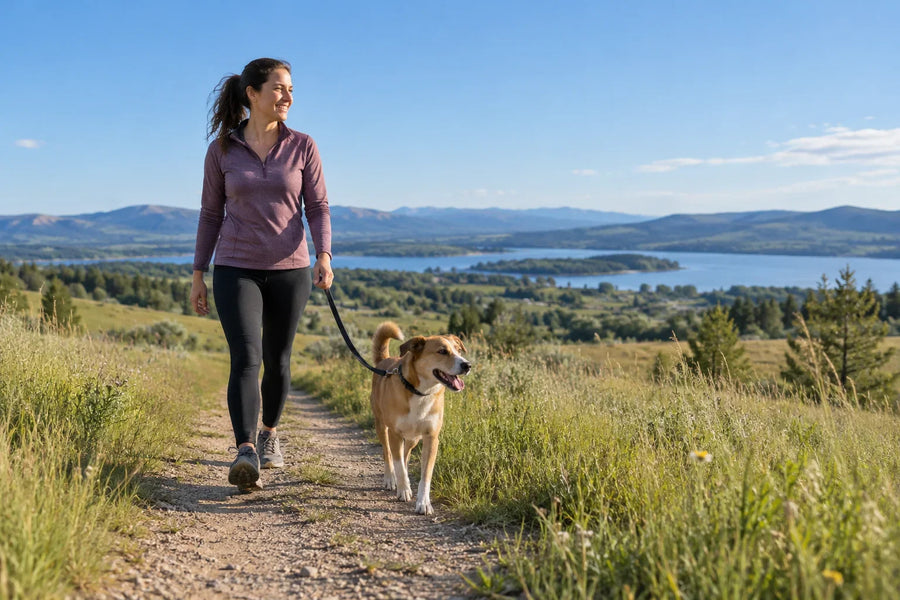
Dogs recognize familiar people, form attachment bonds, and change their behavior around departure and reunion. That supports the everyday idea that dogs may “miss” their owners, although science cannot show that the experience is identical to human longing.
A dog may wait near a familiar place, check doors, rest more, seek a caregiver, or greet the owner enthusiastically. These behaviors can reflect attachment, expectation, disrupted routine, or separation-related distress.
Quick answer:
Dogs form owner-specific social attachments and can distinguish familiar people through cues such as voice, appearance, scent, and routine. Many dogs behave differently when an owner is absent and show increased social behavior at reunion. A happy greeting is normal; persistent panic, self-injury, continuous vocalization, or inability to settle requires more support than ordinary “missing.”
What Research Shows About Dogs and Their Owners
Researchers study observable behavior, recognition, attention, and attachment rather than assuming what a dog feels internally.

Dogs can form owner-specific attachment bonds
In secure-base experiments, dogs may explore and work differently when their owner is present than when a stranger is present. A peer-reviewed study found that the owner’s presence supported dogs’ interaction with a task in a way that food alone did not, providing evidence for an owner-specific secure base effect. Read the secure base study in domestic dogs.
Attachment patterns vary with a dog’s history, socialization, household relationships, and experience.
Dogs pay close attention to human social cues
Dogs use voice, appearance, scent, movement, and context to respond to people. In one Royal Society study, adult dogs and puppies used a person’s voice direction to locate a target, illustrating their sensitivity to human communication. See the peer-reviewed voice-direction research.
Reunion behavior changes with separation
A small study of 12 dogs without reported separation problems compared reunions after 30 minutes, two hours, and four hours alone. Dogs showed more attentive behavior and physical activity after the longer absences. This did not prove increasing “longing,” but it showed that absence duration can affect reunion behavior. Read the study abstract.
How Dogs May Behave When an Owner Is Away
Many dogs spend a normal absence resting, with occasional checks of familiar areas, outside activity, water, or enrichment.
Possible changes include:
- Resting near a door, window, bed, or item associated with the owner
- Checking rooms or reacting to sounds that predict the owner’s return
- Eating less readily until a familiar person is present
- Seeking more interaction from another trusted caregiver
- Sleeping more because the normal household routine is quieter
- Becoming more attentive or active when the owner returns
These are not automatically signs of suffering. A dog that checks the door and then naps may be coping well. Ask whether the dog can eat, rest, move normally, and recover.
A Normal Reunion Is Different From Separation Distress
Jumping, spinning, vocalizing, bringing toys, leaning, or tail movement can be part of a normal greeting when the dog remains loose and settles afterward.

More concerning behavior is closely tied to departure and continues while the owner is unavailable.
| More consistent with a normal reunion | More concerning for separation-related distress |
|---|---|
| The dog rests or plays during the absence | The dog cannot settle and remains highly aroused |
| Greeting is enthusiastic but settles | Panic continues before, during, or after the absence |
| The dog eats, drinks, and toilets normally | Food is refused and heavy drooling, vomiting, or house-soiling occurs |
| No injury or dangerous escape behavior | The dog damages exits, crates, teeth, nails, or skin |
| Behavior returns to baseline | Distress repeatedly interferes with daily life |
Separation-related behavior may begin within minutes of departure. That differs from a dog that settles initially and investigates an available trash can much later.
For help recognizing the broader emotional pattern, read signs of anxiety in dogs.
Do Dogs Know How Long Their Owners Are Gone?
Dogs respond to hunger, daylight, household sounds, learned schedules, and biological rhythms. Reunion studies suggest they may also respond differently after short and longer absences.
Research does not show that dogs count hours or imagine calendar time as humans do. Claims such as “dogs stop missing owners after two hours” go beyond the evidence.
It is more accurate to say:
- Dogs can learn routines that predict departure and return.
- Longer absences may affect behavior at reunion.
- Individual dogs respond differently to the same duration.
- The ability to cope matters more than a universal time limit.
Puppies, senior dogs, and dogs with medical or separation-related needs require more individualized care.
Do Dogs Remember Their Owners After a Long Absence?
Dogs retain associations involving scent, voice, appearance, movement, and shared routines. Research on canine social cognition supports their ability to distinguish familiar individuals and respond to human cues.
Age-related cognitive change, sensory loss, illness, fear, or a limited prior relationship can affect recognition. A hesitant response does not necessarily mean the dog has forgotten; they may need time to gather familiar cues.
Let the dog approach voluntarily. Avoid leaning over, hugging, or creating an intense greeting if the dog appears uncertain.
Helping a Dog Cope When You Are Away
Keep essential routines familiar
Give the caregiver clear information about meals, medication, bathroom breaks, walks, sleep, triggers, and emergency contacts.

Choose care based on the individual dog
Some dogs prefer a sitter at home; others do well with a trusted friend or carefully selected boarding arrangement. A dog that fears unfamiliar dogs may not benefit from group daycare.
Practice before a major trip
Arrange short visits or trial stays with the caregiver. Let the caregiver handle a walk or meal while the owner is still nearby. This builds familiarity before the longer absence.
Provide safe, familiar activities
Offer the dog’s usual bed and safe enrichment that has already been tested under supervision. A recently worn item may carry a familiar scent, but do not leave clothing if the dog is likely to shred or swallow fabric.
Avoid dramatic departure rituals
Long, emotionally intense goodbyes can make departure cues more noticeable. Keep the routine calm and practical without pretending the dog’s distress does not matter.
For a complete care checklist, read what to do with your dog when you travel.
Should You Talk to Your Dog Remotely?
Hearing a familiar voice may attract attention, but some dogs settle while others search or become more aroused. Test remote voice features during a short absence and observe the response.
SATELLAI Collar Go includes Doggie-Talkie voice communication alongside location and activity features. A GPS dog collar with voice features can support communication and location awareness, but it cannot replace a present caregiver, gradual alone-time training, or professional treatment for separation distress.
How to Handle the Reunion
You do not need to ignore your dog. Offer a calm greeting that fits their arousal level. If the dog becomes frantic, reduce stimulation and wait for calmer behavior before adding interaction.
After travel, return to familiar meals, walks, rest, and bathroom schedules. Watch for temporary changes in appetite, stool, sleep, or energy after boarding or a disrupted routine. Contact a veterinarian if physical symptoms are significant or do not improve.
When Missing an Owner Becomes a Welfare Concern
Speak with your veterinarian when a dog shows repeated distress connected with separation, including:
- Continuous barking, howling, pacing, or trembling
- Heavy drooling, vomiting, diarrhea, or house-soiling during absences
- Refusal to eat whenever the owner leaves
- Destruction focused on doors, windows, or confinement areas
- Attempts to escape that damage teeth, nails, or skin
- Inability to tolerate even a very short absence
- Sudden clinginess or confusion in an older dog
Medical conditions can contribute to behavior changes, so veterinary assessment should come before assumptions about emotion. Treatment for separation-related problems may involve carefully managed departures, behavior modification, environmental changes, and, in some cases, medication prescribed by a veterinarian.
Frequently Asked Questions
Do dogs actually miss their owners?
Dogs form owner-specific attachments and behave differently during absence and reunion. It is reasonable to call some of this “missing” an owner, but the internal experience cannot be measured directly.
What does a dog do when they miss someone?
A dog may check doors, rest near familiar locations, respond to sounds associated with the person, seek another caregiver, or greet the person enthusiastically. These behaviors must be interpreted with the dog’s overall ability to eat, rest, and cope.
Do dogs think their owners are never coming back?
We do not know that dogs form this specific thought. Dogs can learn departure and return routines, but severe separation distress can occur regardless of what the dog conceptually understands.
Can dogs recognize their owner’s voice?
Dogs can discriminate human voices and use vocal information. Recognition in everyday life likely combines voice with scent, appearance, movement, and learned context.
Will my dog forget me while I am on vacation?
A vacation is unlikely to erase an established relationship. Provide consistent care and let the dog approach naturally at reunion.
Why does my dog ignore me when I return?
The dog may be tired, overwhelmed, uncertain, focused on the environment, or simply greeting in a less obvious way. Avoid interpreting one quiet reunion as resentment or failed recognition.
Can video calls help a dog who misses their owner?
Some dogs respond to a familiar voice or image, while others show little interest or become more alert. Test it briefly and stop if the dog becomes unsettled. Video contact cannot replace in-person care.
The Bottom Line
Dogs recognize familiar people and form attachment bonds that influence behavior during separation and reunion. That supports the everyday idea that dogs can miss their owners, but it does not justify precise claims about what dogs think or how they experience time. Focus on whether the dog can cope safely, maintain normal routines, and recover. Persistent panic or physical symptoms call for veterinary and qualified behavioral support.
Sources