Your dog learns when you pick up the leash, open the back door, or reward a glance in your direction. Formal training is only part of that process. Everyday experiences also shape what your dog expects and which behaviors they repeat.
Understanding how dogs learn helps explain two familiar puzzles: why an unwanted habit keeps returning, and why a skill that works at home can fall apart on a walk.
How do dogs learn new behaviors? Dogs learn through several processes, including associations between events and the consequences of their actions. Rewarding small steps can build a new behavior. Practicing in different settings helps the dog respond to the same cue beyond the original training spot. The dog's comfort and the level of distraction affect performance.
Key Dog-Learning Terms, Explained
| Term | Plain-English meaning | Everyday example |
|---|---|---|
| Classical conditioning | Learning that one event predicts another, influencing an automatic response | A click repeatedly followed by food begins to trigger anticipation |
| Operant conditioning | Learning how an action changes what happens next | A nose nudge starts petting, so nudging becomes more frequent |
| Positive reinforcement | Adding an outcome after behavior that makes that behavior more likely | Rewarding a hand touch helps the dog offer more hand touches |
| Shaping | Building a behavior by rewarding small steps toward it | Rewarding an approach to a mat before requiring all four paws on it |
| Generalization | Applying learning across relevant situations | Responding to the same cue in the living room and then on a quiet sidewalk |
These definitions follow standard training terminology explained in the AKC's training glossary. They describe important learning processes, not every way dogs can learn.
Classical Conditioning: Learning What Predicts What
When an event repeatedly comes before something meaningful, a dog may begin to anticipate what follows. Picking up a leash can predict a walk. The sound of food preparation can predict a meal.
Associations can also influence emotion. A place where a dog repeatedly experiences frightening events may become worrying before anything else happens there.
This is why introductions to unfamiliar equipment and situations should be gradual. Watch the dog's response rather than assuming repeated exposure will automatically make the experience comfortable. Exposure that is too intense can increase distress.
Operant Conditioning: Learning From Behavior Outcomes
A different learning process concerns the outcome of an action. If nudging your hand regularly starts petting, nudging may become more frequent. If pulling leads to a favorite sniffing spot, pulling may persist.
Positive reinforcement describes adding something after a behavior that increases that behavior in the future. "Positive" means something is added; it is not a description of the trainer's mood. The American Veterinary Society of Animal Behavior (AVSAB) explanation of positive reinforcement emphasizes the effect on behavior, rather than the owner's intention to reward.
An offered treat is not automatically an effective reinforcer. Look at whether the relevant behavior becomes more likely over time.
Why Reward Timing Matters
Imagine your dog touches a mat, steps away, and then receives food. The sequence may make it unclear which action mattered.
A learned marker, such as a click or a short word paired with a reward, can identify the desired moment. It still needs a consistent reward history and thoughtful delivery. If you always hand the food far from the mat, you may encourage movement away rather than settling there.
Prepare before practice and reward small, observable actions. Precision is easier when the task is manageable.
Shaping: Build the Behavior Gradually
Shaping means reinforcing successive steps toward a target behavior. To teach a nose target, you might first reward interest in your hand, then movement toward it, then a light touch.
The next step should be close enough to what your dog already does that they can succeed without prolonged frustration. If progress stops, reduce the size of the step rather than waiting indefinitely for the finished behavior.
Luring is different: a food or other prompt guides movement. It can help start a skill, but the visible prompt should gradually become unnecessary if you want a response to a separate cue.

Generalization: Why a Cue Needs Practice in New Places
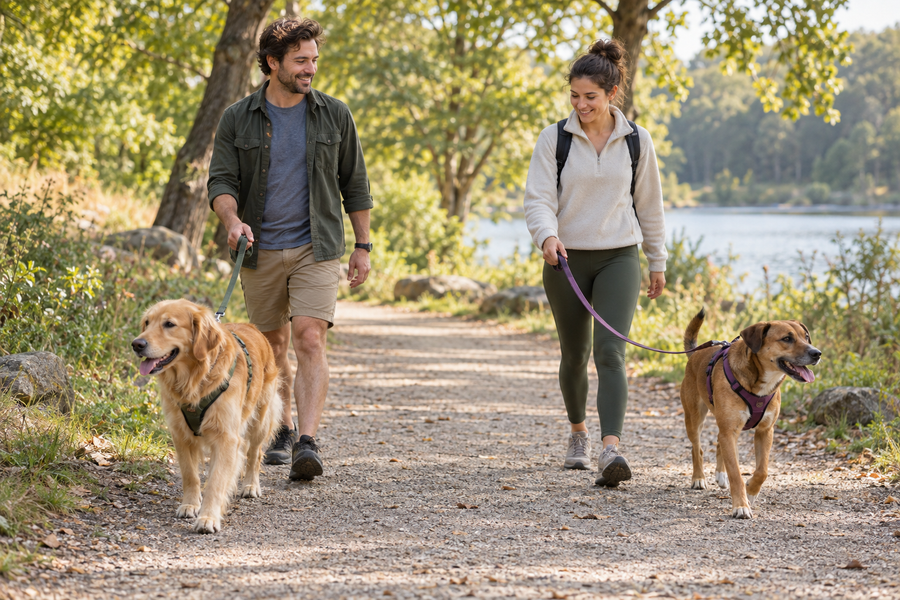
A dog who sits in the kitchen may struggle on a busy sidewalk. The location, smells, surfaces, your posture, and nearby activity have all changed.
Generalization is the process of responding to a learned cue across relevant situations. Practice in several manageable settings rather than making the first outdoor attempt the hardest possible test.
When changing location, make the request easier. Stay closer and ask for a brief response before adding other demands. The AKC's duration, distance, and distraction framework offers a way to separate those challenges.
Distractions Offer Competing Outcomes
Another dog, a food wrapper, or an inviting trail can compete with the outcome you offer. Those competing outcomes help explain why attention shifts even when the cue is familiar.
Use distance and management to make the desired response achievable. Suitable everyday activities can also serve as rewards: checking in may earn access to a safe sniffing spot. AVSAB discusses using natural rewards as part of training.
Avoid interpreting every failed response as a reward problem. Fear, pain, fatigue, and unclear cues can also affect behavior.

A Practical Example: Learning a Boundary Cue
A digital line on a map has no inherent meaning to a dog. A device signal needs a learned relationship to a specific response and outcome.
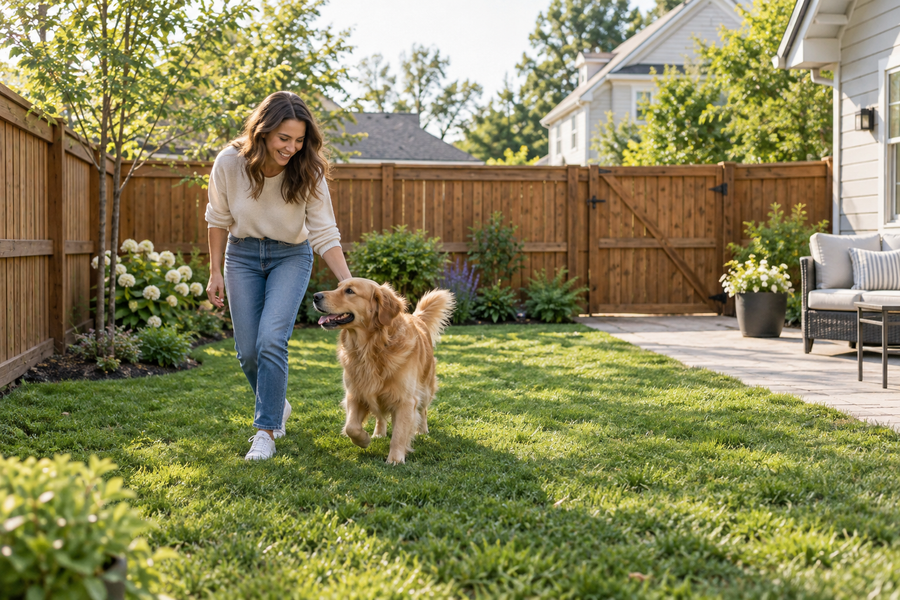
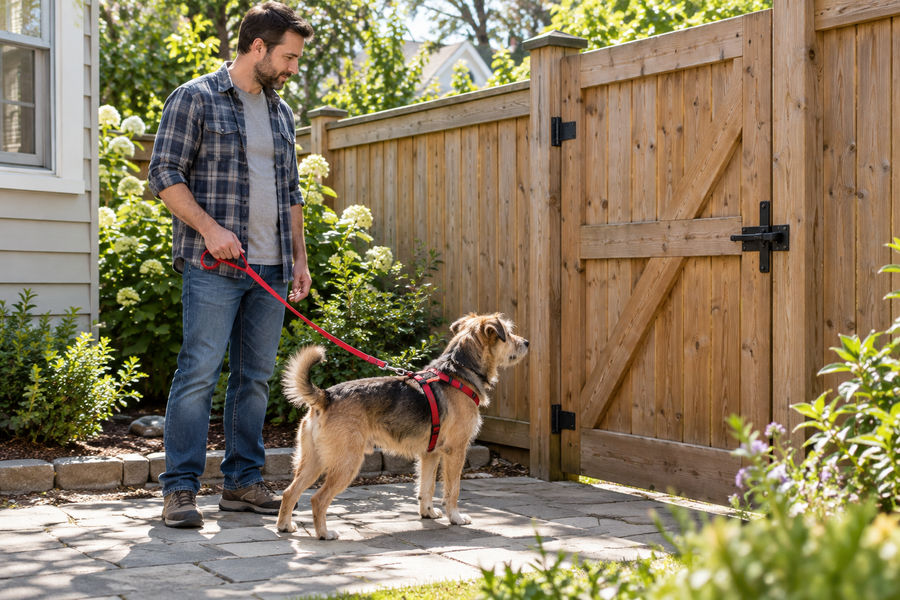
The SATELLAI Collar provides customizable virtual-fence features. When introducing a boundary cue, the dog needs supervised practice learning the intended response, such as turning back toward the safe area. A tone has no built-in meaning equivalent to "turn around."
Follow product guidance and choose a training plan suited to the individual dog. Use rewards to teach the response, observe how your dog reacts to each cue, and pause if they become frightened or avoid the practice area.
Practice must also account for different approaches and distractions. Learning in one quiet section of a property does not establish reliability everywhere. Keep suitable safety measures in place; a virtual fence does not physically prevent a dog from crossing a boundary. Pause and seek guidance if the dog appears distressed.
Learning and Performance Are Different
A dog may have learned a response but struggle to perform it in a particular moment. An unfamiliar surface, a frightening noise, or fatigue can change what you see. One missed cue does not show that the dog has forgotten everything.
Check performance in an easier version of the task. If the response returns when distractions are reduced, that gives you a starting point for gradual practice. If familiar skills change across settings or the change is sudden, consider whether health or sensory factors need attention.
Put the Principles Together
Before changing a training plan, ask:
- What does the setting or cue predict for my dog?
- What outcome currently follows the behavior?
- Is the next step small enough to achieve?
- Have we practiced in this context?
These questions help turn an unsuccessful repetition into information. For the practical training routine, read Positive Reinforcement Dog Training Guide.
Frequently Asked Questions
Do dogs learn through rewards or associations?
Both. Learning that a click predicts food and learning that a hand touch earns food are different processes that can occur in the same session. The click can predict the reward while the reward strengthens the hand touch.
Can a dog learn without a formal session?
Yes. Repeated everyday outcomes can strengthen habits, which is why the routine outside practice matters.
Does knowing a cue mean the dog will always respond?
No. Context, competing activities, emotional state, and physical comfort all influence performance.
Why can an old habit return?
Teaching a replacement does not necessarily erase earlier learning. Changes in context or renewed rewards for the old habit can make it appear again. Return to manageable practice and check the routine.
Sources and Further Reading
- AKC: Dog Training Terms and Definitions
- AKC: Duration, Distance, and Distraction
- AVSAB: Defining Positive Reinforcement
- AVSAB: Using Natural Rewards
Product disclosure: SATELLAI manufactures the products mentioned in this guide. Images are AI-generated illustrations of training situations.