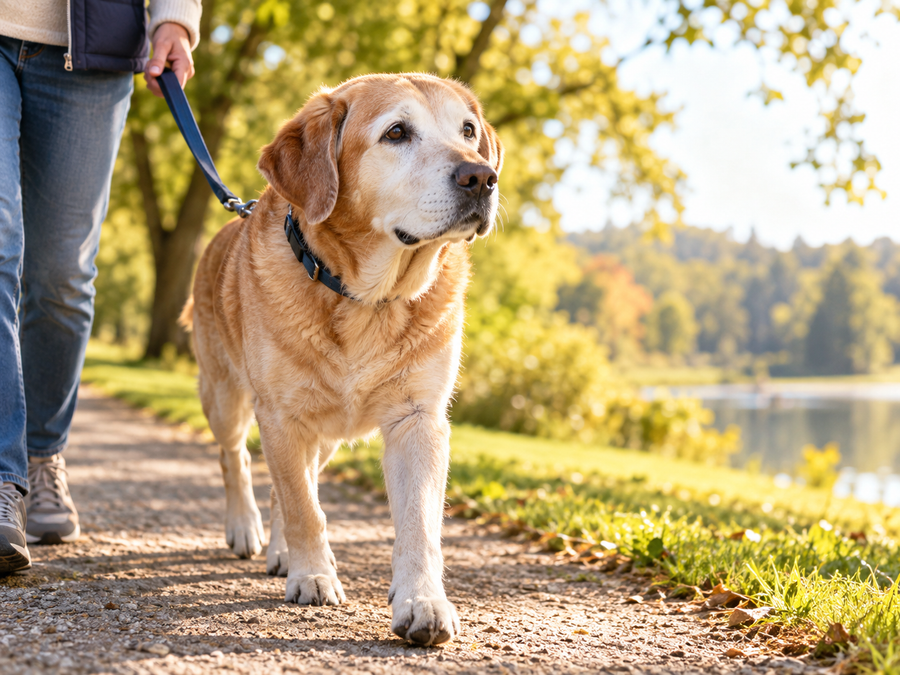
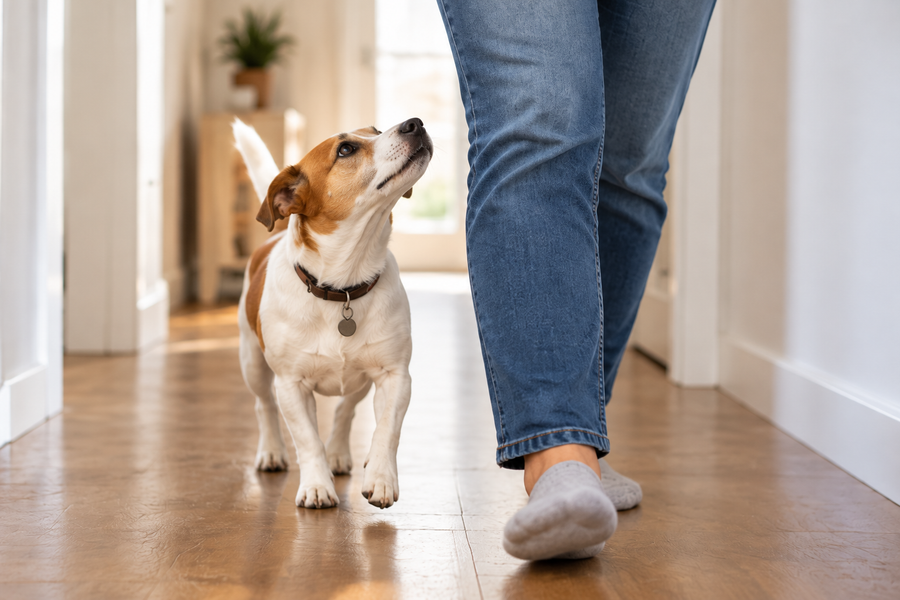
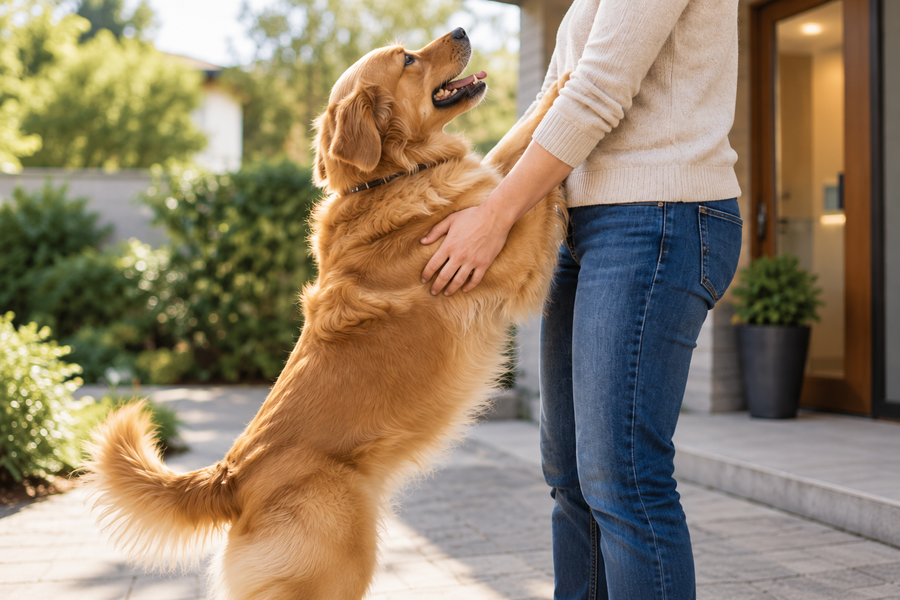
If you compare dogs across breeds, one pattern stands out: small dogs often live longer than large dogs. A Chihuahua may commonly reach its mid-teens, while some giant breeds enter their senior years much earlier.
That can seem surprising because, across many animal species, larger animals often live longer than smaller ones. Dogs are different because we are comparing dramatically different body sizes within the same species.
The short answer is that large dogs tend to grow faster and age faster. Their larger body size is associated with physiological demands that appear to accelerate parts of the aging process, although lifespan is influenced by much more than size alone.
This size difference is also one reason the SATELLAI Dog Age Calculator does not give the same human-age estimate to every dog.
Quick Answer: Why Do Small Dogs Usually Live Longer?
Small dogs generally live longer because large and giant dogs tend to age more rapidly after reaching adulthood. Faster growth, larger body size, genetics, breed-related disease risks, and differences in physiological aging all contribute.
Size is an important pattern, but it is not a guarantee. Individual health, genetics, nutrition, veterinary care, body condition, and lifestyle still matter.
Small and Large Dogs Do Not Age at the Same Rate
During the first part of life, dogs of very different sizes can develop surprisingly quickly. The bigger difference appears later.
A small dog and a giant dog may both be eight years old chronologically, but they may be in different biological life stages. The American Animal Hospital Association does not define senior dogs using one universal birthday. Instead, senior status is considered in relation to a dog's expected lifespan.
This is why a seven-year-old Chihuahua and a seven-year-old Great Dane should not automatically be treated as biologically equivalent.
Why Does Larger Body Size Affect Lifespan?
Scientists have studied the relationship between dog size and lifespan for years. One leading explanation is that larger dogs undergo extremely rapid growth early in life. A puppy that develops into a 120-pound adult has to create far more tissue in a short period than a puppy that grows to 10 pounds.
That rapid growth may come with biological trade-offs. Research across breeds has found a strong relationship between body size and lifespan, with larger dogs generally experiencing faster age-related mortality than smaller dogs. The exact mechanisms are complex and are still being studied, so the difference should not be reduced to a single cause.
1. Large Dogs Grow Much Faster
Think about the difference between a toy breed and a giant breed. Both begin life as relatively small puppies, but the giant-breed puppy may increase its body mass enormously during the first year or two.
Growth involves intense cellular activity, metabolism, bone development, muscle development, and hormonal signaling. One hypothesis is that the biological cost of rapid growth contributes to faster aging later in life.
In other words, large dogs do not necessarily age faster simply because they are large. Their entire growth trajectory is different.
2. Large Breeds Often Reach Senior Status Earlier
Because expected lifespan differs by size, senior status arrives at different chronological ages. AAHA defines the senior stage in relation to the later portion of expected lifespan instead of applying one fixed age to every dog.
As a broad guide, some giant dogs may be considered senior around six or seven years, many large dogs enter senior life somewhat later, medium dogs later still, and some small dogs may not be considered senior until around ten years or beyond. These are general patterns rather than strict rules.
If you want to estimate where your own dog may fall, try the Dog Age Calculator.

3. Breed Genetics Matter Too
Body size explains part of lifespan differences, but breed genetics also matter. Some breeds have higher risks of specific inherited diseases, heart conditions, orthopedic problems, or certain cancers.
That means two breeds of similar size can still have different typical lifespans. Likewise, not every small dog will live longer than every large dog.
The size-lifespan relationship is strongest when looking at broad populations rather than predicting exactly how long one individual dog will live.
4. Body Condition Can Affect Healthy Aging
Size is largely determined by breed, but body condition is something pet parents can influence. Being larger because a dog is genetically a large breed is not the same as carrying excess body fat.
Maintaining an appropriate body condition can help reduce unnecessary strain on joints and may support overall health as a dog ages. This matters for both small and large dogs. A small dog with obesity does not automatically have an advantage simply because it belongs to a smaller breed.
Does a Large Dog Age Faster Every Year?
Not exactly. Dog aging is not a simple linear formula.
The traditional idea that one dog year always equals seven human years does not reflect how dogs actually develop. Dogs mature very rapidly during their first years. After that, aging differences become increasingly noticeable across body sizes.
That is why human-age conversion tools often use different later-life rates for small and large dogs rather than multiplying chronological age by one fixed number.

How Much Longer Do Small Dogs Live?
There is no single lifespan difference that applies to every breed. Small breeds can commonly live into their teens, while many large and giant breeds have shorter average lifespans.
But averages should not be treated as expiration dates. A dog's lifespan is influenced by breed, inherited disease risk, body condition, nutrition, preventive veterinary care, dental health, exercise, environment, accidents, and individual genetics.
A large dog can outlive the typical expectation for its breed, just as a small dog can experience health problems earlier than expected.
Can You Help a Large Dog Live Longer?
You cannot change your dog's genetic adult size, but you can support healthier aging through everyday care and preventive health decisions.
Maintain a Healthy Weight
Extra weight increases physical strain and can make movement more difficult, especially in large dogs. Maintaining an appropriate body condition helps reduce unnecessary load on joints and supports overall mobility.
Keep Exercise Consistent
Regular exercise helps support muscle condition, mobility, mental stimulation, and weight management. As dogs age, exercise intensity may need to change even if the habit remains.
Watch Mobility Early
Large dogs can place considerable force through their joints simply because of body mass. Changes in stairs, jumping, walking speed, or recovery are worth noticing early and discussing with your veterinarian when they persist.
Keep Up With Preventive Care
Older dogs often benefit from more proactive veterinary monitoring. AAHA recommends individualized senior-care plans rather than assuming age-related changes are unavoidable. Its Senior Care Guidelines emphasize preventive monitoring and individualized care.
Track Changes in Everyday Routine
Gradual changes are easier to identify when you know your dog's normal activity pattern. Pay attention to walking duration, sleep, appetite, recovery, activity level, mobility, and behavior.
A tracker cannot diagnose disease, but long-term patterns can help pet parents recognize when something has changed and provide useful observations during veterinary visits.
Small Dogs Live Longer on Average, Not Automatically
This is the most important distinction. "Small dogs live longer" describes a population-level pattern. It does not mean every small dog will outlive every large dog.
A healthy large dog with good preventive care may live longer than expected. A small dog with serious inherited disease may have a shorter lifespan. Size helps explain general aging patterns, but your individual dog's health history matters more when making day-to-day care decisions.
What Does Size Mean for Dog Age Calculations?
Size matters most as dogs move beyond early adulthood. That is why the SATELLAI calculator separates dogs into Small, Medium, Large, and Giant size groups.
A seven-year-old small dog and a seven-year-old giant dog should not necessarily receive exactly the same human-age estimate. Use the SATELLAI Dog Age Calculator to see how adult size changes the estimate.
If your dog may already be approaching later life, you can also read When Does a Dog Become a Senior? for a closer look at how size and expected lifespan affect the senior stage.
Final Takeaway
Small dogs generally live longer than large dogs because body size and growth rate are closely linked with the pace of aging in dogs. Large breeds grow much faster and tend to experience age-related mortality sooner, while smaller breeds often move through later life more slowly.
But size is only part of the story. Breed genetics, body condition, veterinary care, activity, nutrition, environment, and individual health all influence how long and how well a dog lives.
For pet parents, the most useful approach is not to focus on a predicted lifespan number. Instead, understand your dog's life stage and watch how their individual needs change over time.
Frequently Asked Questions
Why do Chihuahuas often live longer than Great Danes?
Chihuahuas and other small dogs generally age more slowly later in life, while giant breeds grow rapidly and tend to have shorter average lifespans.
Do big dogs age faster than small dogs?
In general, yes. The difference becomes particularly noticeable after early adulthood, which is why large dogs tend to reach senior status earlier.
Is lifespan determined only by dog size?
No. Breed genetics, health, body condition, veterinary care, lifestyle, nutrition, and individual variation also matter.
Are mixed-breed dogs affected by the same size pattern?
Body size still matters in mixed-breed dogs, although genetic diversity and ancestry can make individual lifespan estimates less straightforward.
How old is my dog in human years based on size?
Use the SATELLAI Dog Age Calculator to estimate human age based on chronological age and adult body size.